What Commercial Premises Cleaning Should Cover
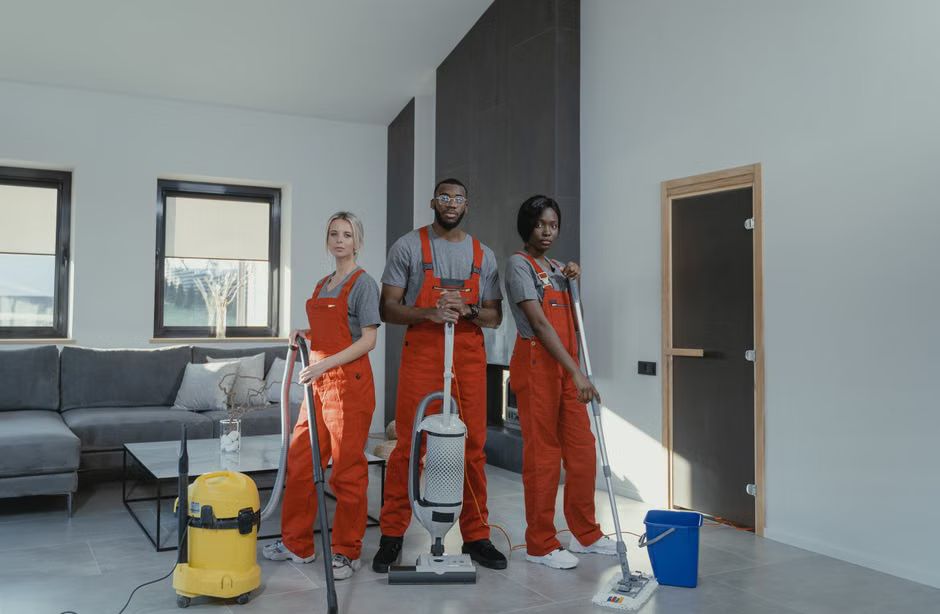
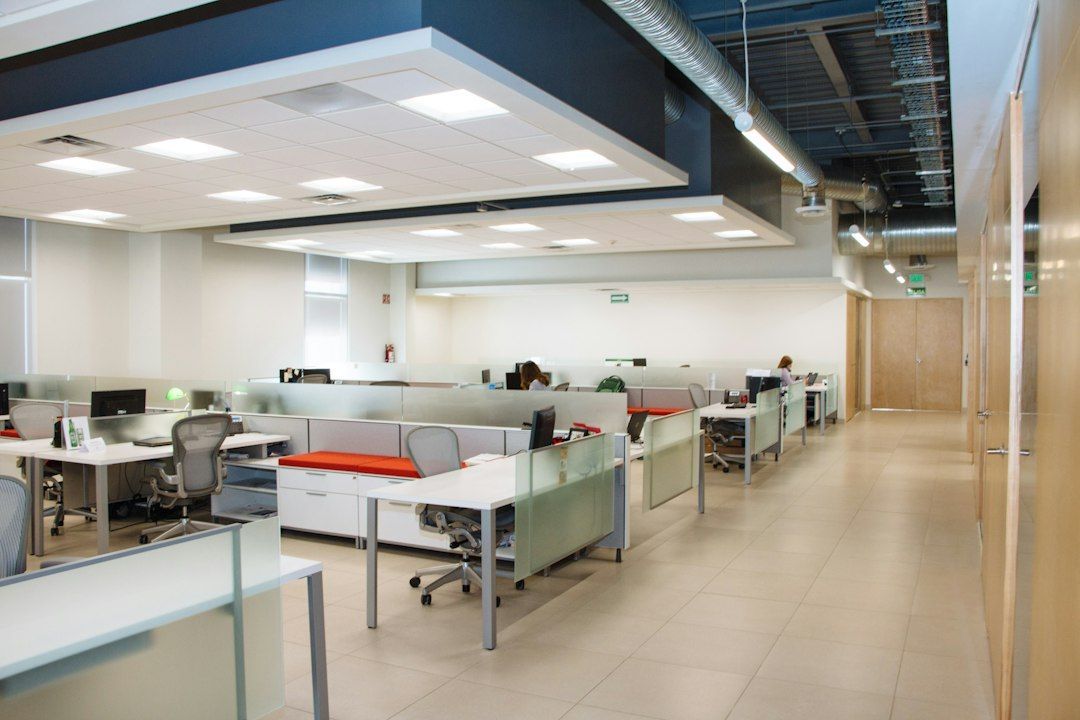
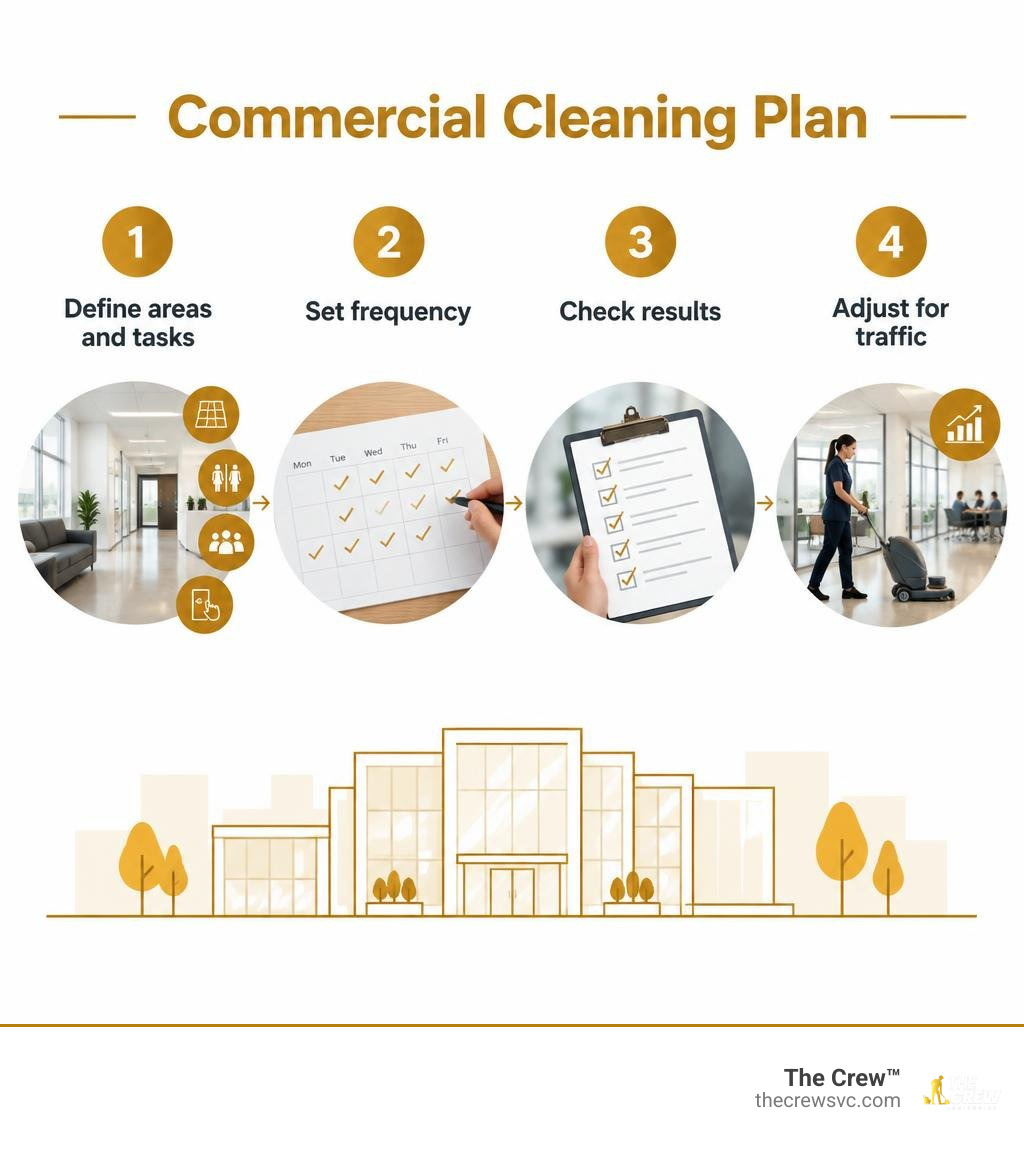
Commercial premises cleaning should follow a written plan for each area of the building. That plan should cover floors, restrooms, shared spaces, and frequently touched surfaces. It should set cleaning times, name any safety or access rules, and give property managers a way to check that the work was done.
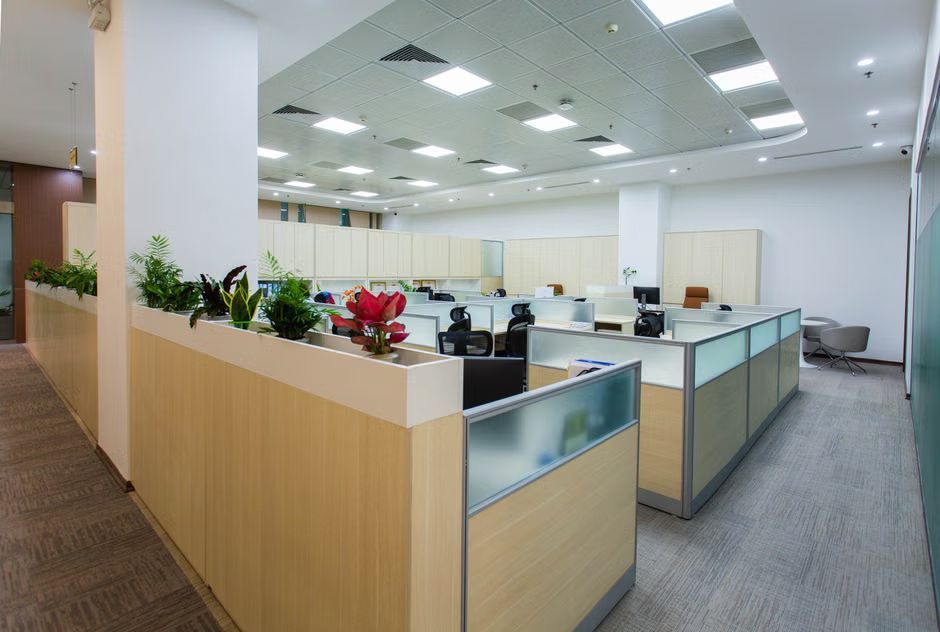
Hybrid work makes that plan worth revisiting. A quiet office on Monday may have full meeting rooms on Wednesday. Cleaning should still meet a reliable baseline, with extra attention where traffic rises. According to the U.S. Bureau of Labor Statistics, janitorial work remains one of the largest building service occupations, reflecting how much commercial facilities depend on consistent maintenance.
I’m Carlos Castillo II, owner of The Crew™, a family-run Denver-area cleaning company founded by my grandfather in 1982. I bring hands-on experience in commercial premises cleaning to this guide, starting with the standards property managers can use to set clear expectations.
Modern Standards for Commercial Premises Cleaning in the Hybrid Work Era

Prior to 2020, commercial office occupancy routinely hovered around 97% across major metropolitan business districts. Facilities operated on predictable 9-to-5 cycles, allowing janitorial teams to execute static, sweep-and-wipe routines every evening. In 2026, those static assumptions no longer match reality. Commercial premises experience intense mid-week occupancy spikes on Tuesdays and Thursdays, while Mondays and Fridays often see empty desks and unused conference suites.
Relying on legacy janitorial schedules in a hybrid landscape leads to two costly operational failures: over-servicing vacant zones and under-servicing heavily trafficked collaborative hubs. Modern property management requires dynamic building office cleaning strategies tailored to real-world usage patterns.
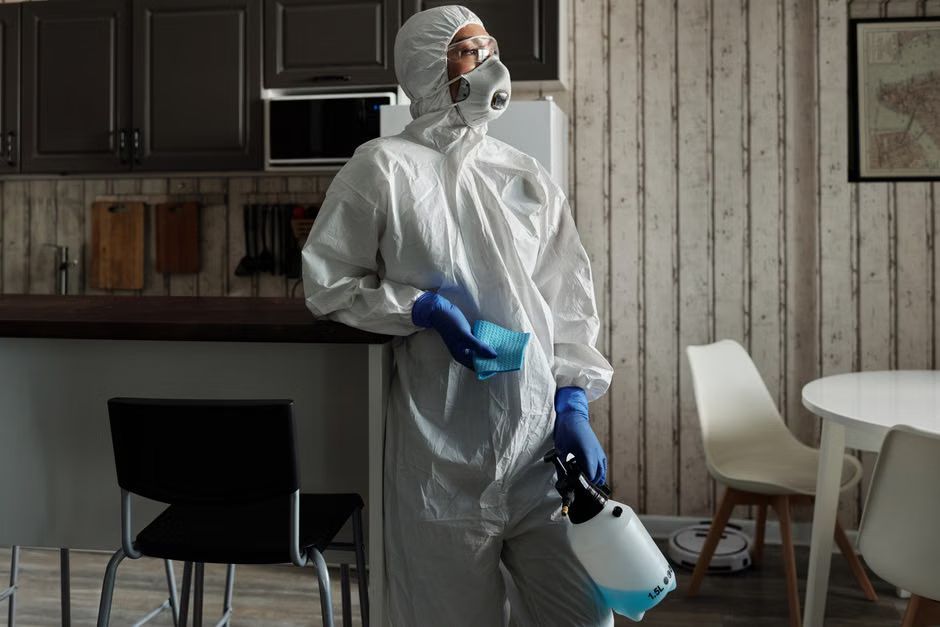
Instead of wiping down every empty desk nightly, maintenance teams must prioritize high-touch surface disinfection, common-area sanitization, and indoor environmental quality. Targeting touchpoints such as elevator buttons, door hardware, shared kitchen appliances, and conference room media controls minimizes the spread of seasonal pathogens. Implementing structured office sanitizing protocols ensures tenant health while directing labor resources precisely where physical traffic demands attention.
Transitioning from Fixed Routines to On-Demand Commercial Premises Cleaning
Static cleaning schedules treat an empty boardroom the same as a bustling communal kitchen. Moving to an on-demand commercial premises cleaning model aligns labor deployment with actual foot traffic. When third-floor workstations sit dormant for three days, janitorial resources shift toward deep-cleaning common corridors or handling immediate turnarounds in high-use conference centers.
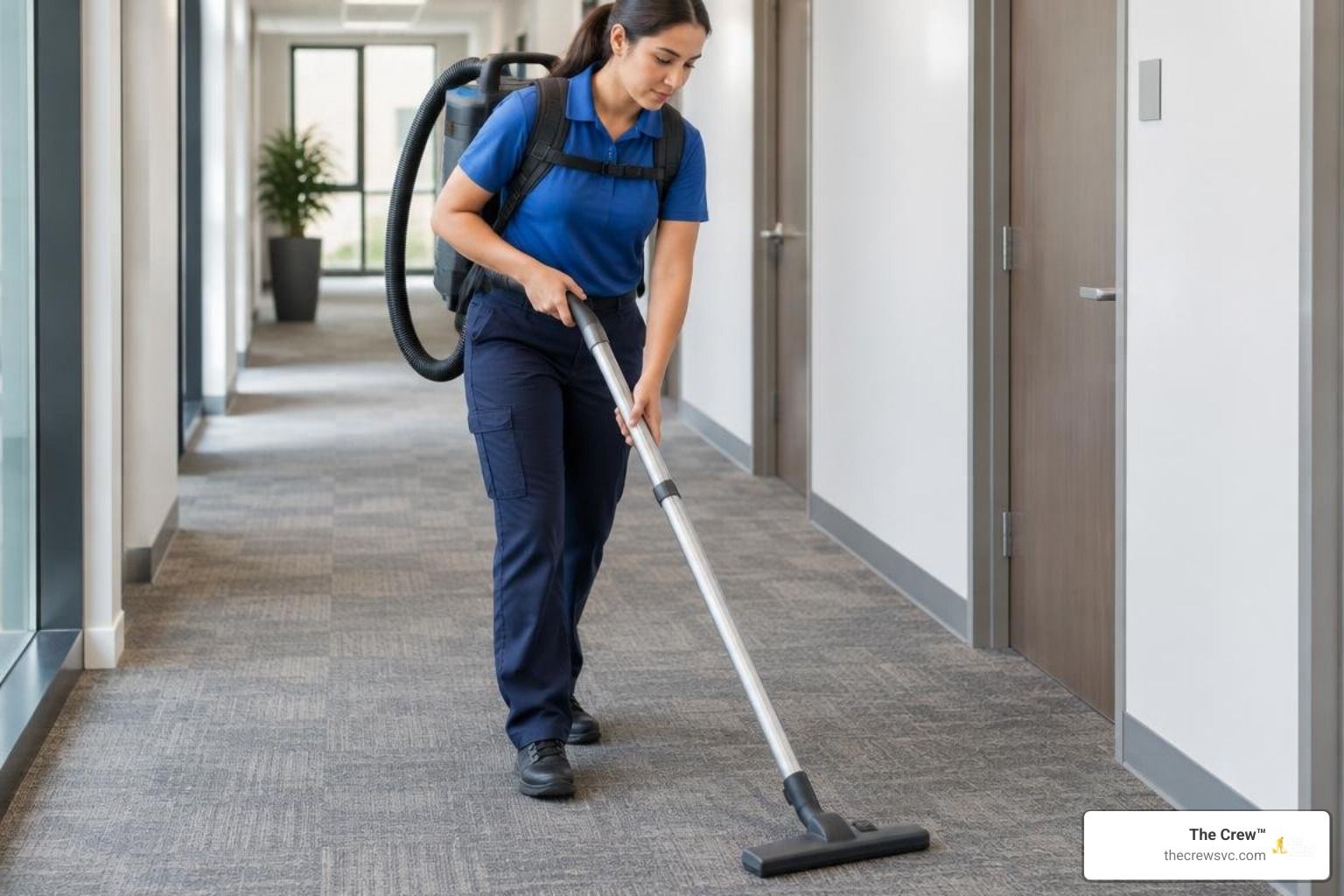
During peak operational hours, proactive maintenance makes the difference between an unkempt facility and a pristine workplace. Dedicated day porter services continuously monitor shared facilities, restock paper goods, manage trash overflow, and maintain professional standards throughout the business day.
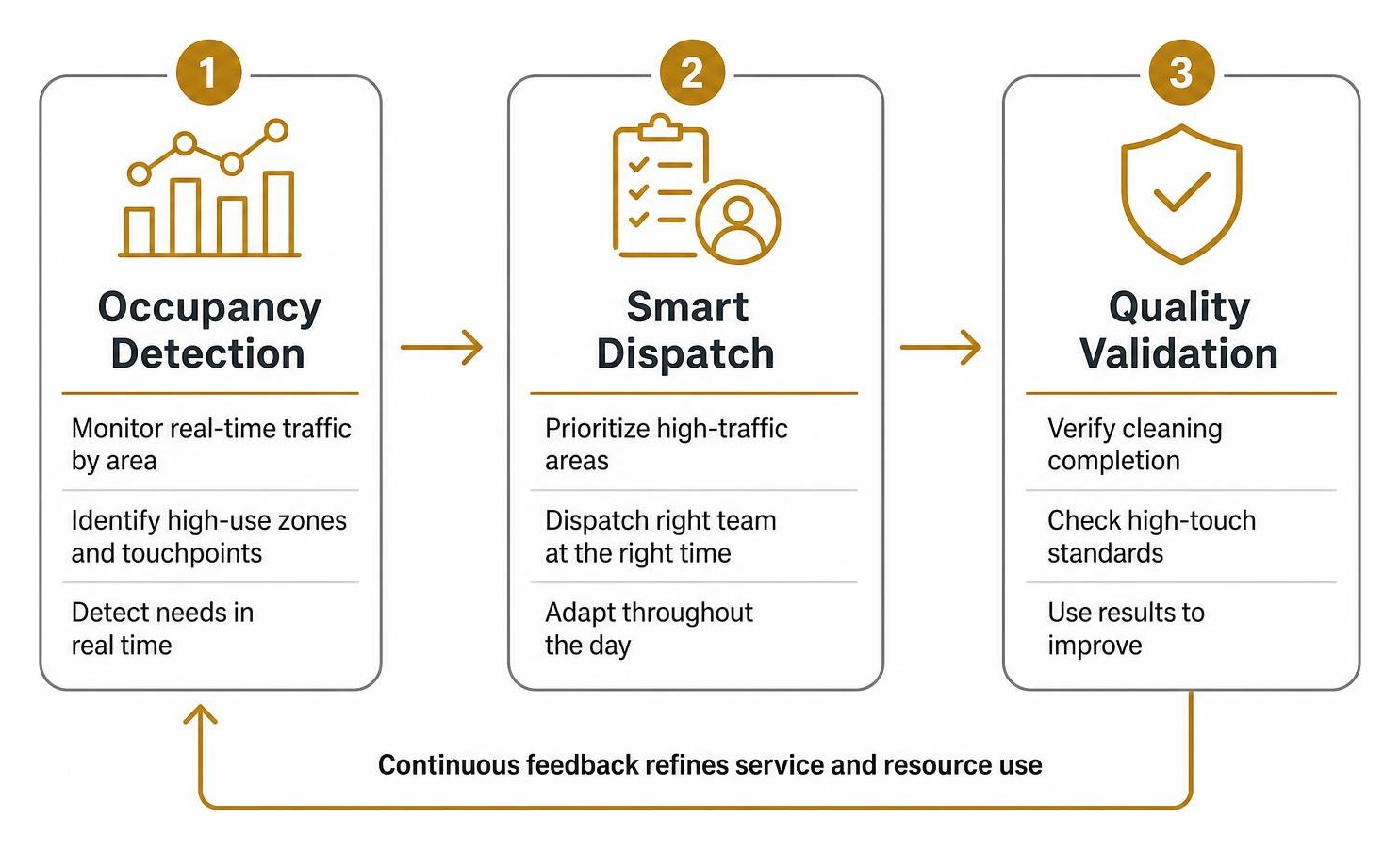
Restroom maintenance benefits significantly from this flexible approach. Instead of rigid hourly checks, janitorial staff respond dynamically to traffic volume thresholds. This eliminates empty soap dispensers, dirty countertops, and unstocked stalls during peak lunch rushes while conserving supplies when foot traffic drops.
Specialized Sanitation Protocols Across Facility Zones
Every commercial facility consists of distinct operational environments, each requiring specialized care and compliance measures:
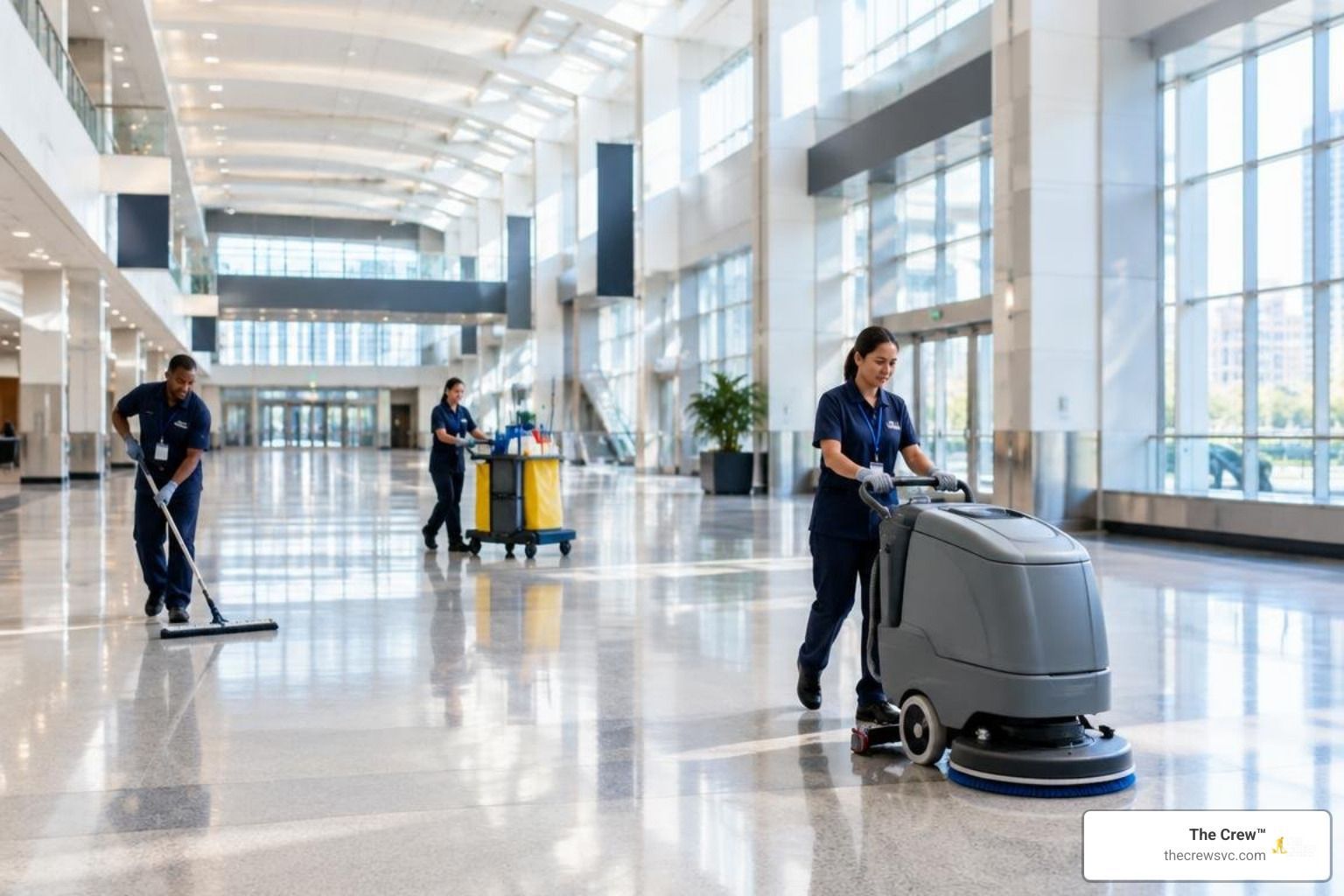
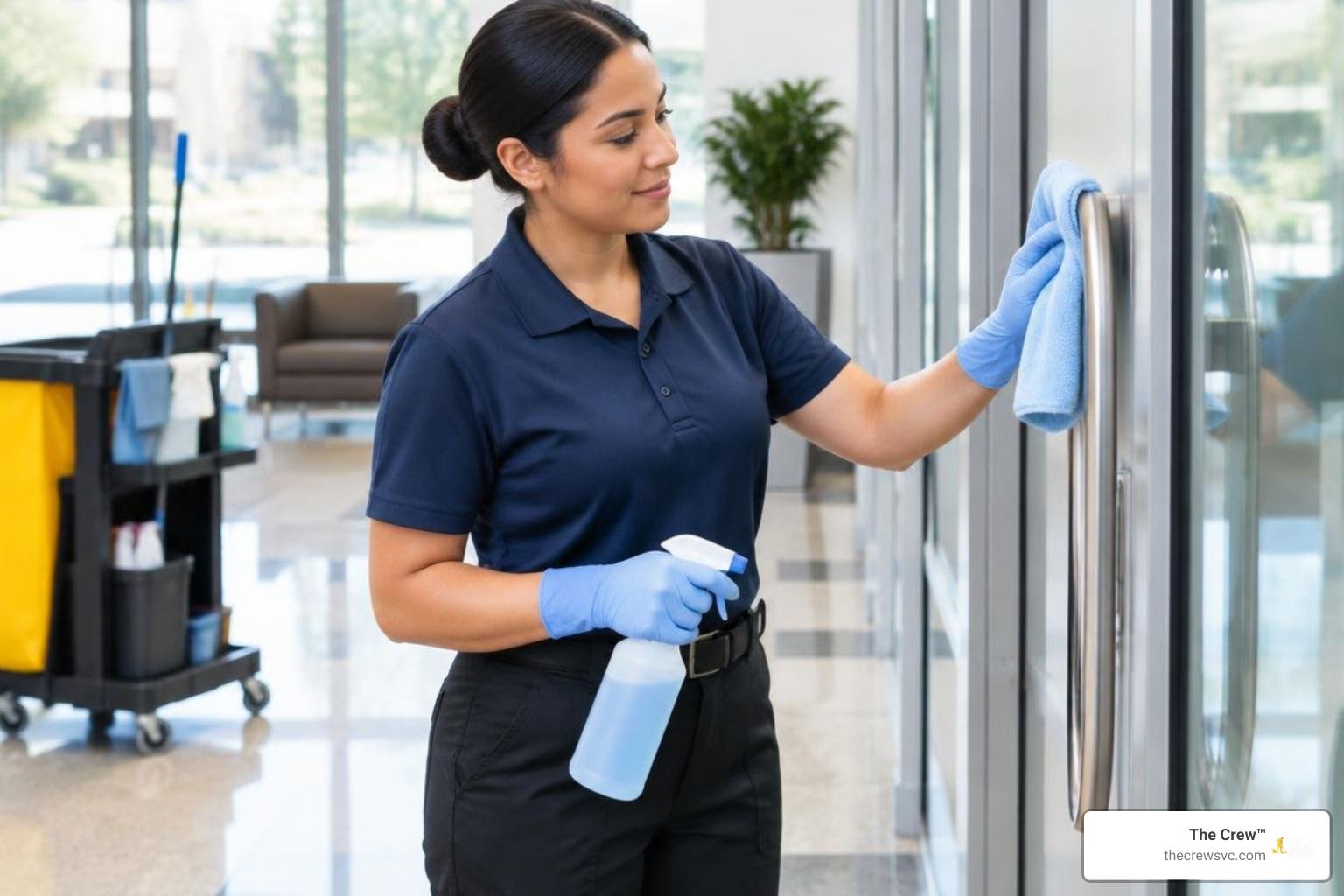
- Primary Reception and Entryways: First impressions dictate tenant retention and client perception. Maintaining office lobby cleaning standards requires daily mat maintenance, streak-free glass detailing, and polished architectural surfaces to manage exterior dirt and moisture.
- Shared Kitchens and Breakrooms: Break areas demand strict hygiene protocols. Custodial teams must apply food-safe, non-toxic sanitizing agents across food-prep counters, microwaves, sinks, and seating areas to prevent cross-contamination.
- High-Level Infrastructure: Overhead dust accumulation compromises indoor air quality and introduces fire risks in industrial and warehouse environments. Routine high-level vacuuming of exposed ductwork, structural beams, and lighting fixtures removes particulate matter before it circulates through HVAC systems.
Optimizing Facility Operations with IoT Sensors and Real-Time Tracking
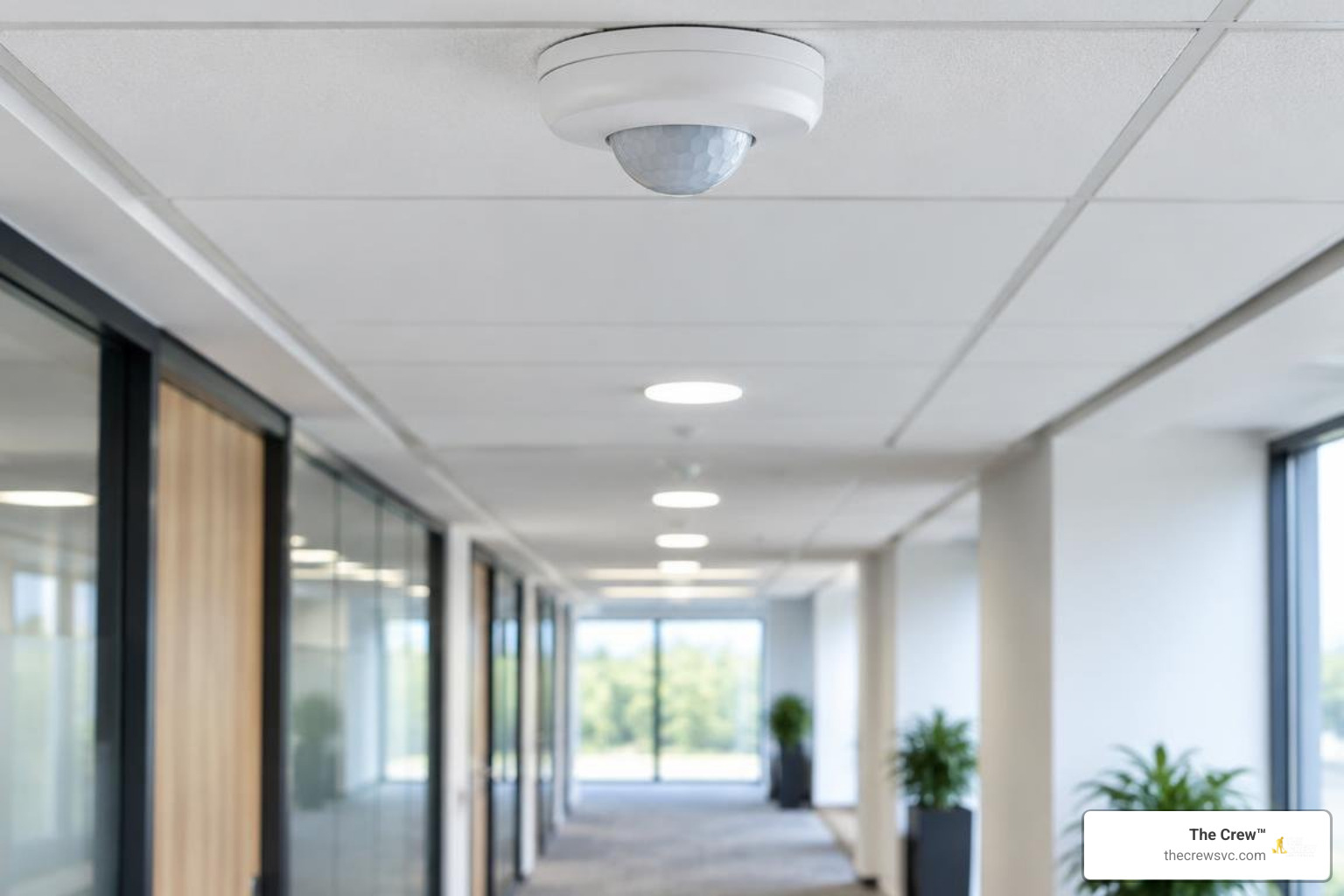
The facilities management industry faces ongoing labor shortages and rising wage pressures. Property managers cannot afford to pay for wasted labor hours or unverified tasks. Leveraging Internet of Things (IoT) hardware—such as ceiling-mounted passive infrared sensors and doorway counters—provides accurate traffic data to optimize daily operations.
Modern commercial occupancy sensors deliver over 95% accuracy in capturing directional pedestrian traffic. Integrating this data into maintenance workflows eliminates guesswork. Rather than assigning fixed square footage quotas to cleaners, managers can dynamically route staff based on real-time room usage. For deeper financial insights on how labor allocations impact your bottom line, consult our comprehensive commercial cleaning costs guide.
Conducting Modern Time Studies with Real-World Data
Historically, janitorial bidding relied on generalized production rates—such as assuming a cleaner covers 3,500 square feet per hour—regardless of layout complexity or actual foot traffic. These outdated assumptions result in inaccurate bids, understaffed buildings, and worker fatigue.
Conducting modern time studies using beacon tracking and sensor telemetry enables precision workloading through a clear process:
- Hardware Deployment: Place Bluetooth Low Energy (BLE) beacons or environmental sensors across key zones (restrooms, open desk areas, executive suites, and kitchenettes).
- Staff Activity Logging: Custodial teams carry lightweight fobs or mobile devices that log timestamps upon entering and exiting designated work zones.
- Data Extraction: Export raw timestamped activity logs directly into CSV formats to analyze actual task durations against square footage.
- Operational Analysis: Compare time spent per zone against daily traffic counts to identify over-cleaned and neglected spaces.
- Route Optimization: Rebalance daily routes to focus labor hours where usage is highest.
Facilities that implement time-study adjustments regularly capture up to 40% higher staff productivity rates, driving down operational costs per cleaner and minimizing the net cost per square foot.
Choosing the Right Level of Technology Integration
Not every commercial building requires fully autonomous robotics or complex sensor matrices. Choosing the right technology tier depends on facility size, tenant turnover, and operational budgets.
| Feature / Capability | Basic Integration | Moderate Integration | Full IoT Telemetry |
|---|---|---|---|
| Primary Tracking Method | Paper checklists & manual logs | QR code checkpoints & mobile apps | BLE beacons & real-time occupancy sensors |
| Occupancy Monitoring | None (static schedule) | Periodic manual audits | Automated live traffic logging (>95% accuracy) |
| Staff Dispatching | Fixed daily shift assignments | Ticket-based task dispatch | Dynamic on-demand dispatching |
| Reporting & Verification | End-of-month manual sign-offs | Digital completion reports | Live client dashboards & CSV data exports |
| Best Suited For | Small standalone offices (<5,000 sq ft) | Mid-sized multi-tenant buildings | High-rise corporate towers & campuses |
Navigating Janitorial Contracts: Cost-Plus vs. Performance-Based Models
Selecting the appropriate contract structure is critical for maintaining high cleaning standards while protecting operational budgets. For a foundational overview of procurement strategies, explore our guide to commercial cleaning 101 for property managers.
Today's market primarily uses two contracting models: Cost-Plus and Performance-Based (SLA) agreements.
In a cost-plus model, the client pays the direct operational expenses—janitorial wages, payroll taxes, equipment depreciation, and consumables—plus a fixed, transparent management fee. This structure offers total visibility into labor costs, making it ideal for facilities with unpredictable occupancy swings where staffing levels must flex up or down.
In contrast, performance-based agreements establish fixed monthly pricing tied directly to measurable quality standards and Service Level Agreements (SLAs). If performance metrics fall below agreed benchmarks (such as audit scores below 90%), financial deductions apply. To evaluate which model suits your commercial asset, review our detailed commercial cleaning contracts guide.
Comparing Modern Janitorial Contract Structures
| Metric | Fixed-Price Contract | Cost-Plus Contract | Performance-Based Contract |
|---|---|---|---|
| Cost Predictability | High (fixed monthly invoice) | Moderate (varies with labor hours) | High (adjusted only for SLA penalties) |
| Labor Transparency | Low (contractor absorbs/hides variance) | Complete (open-book labor and wages) | Moderate (focus is on output, not hours) |
| Flexibility for Hybrid Shifts | Poor (requires formal change orders) | High (adjusts hours dynamically) | Moderate (provider adjusts internally to hit SLAs) |
| Audit Mechanism | Visual walkthroughs | Wage audits & timecard verification | Digital sensor metrics & KPI scoring |
| Risk Allocation | Contractor assumes operational risk | Client assumes labor-market risk | Shared risk based on defined quality outcomes |
Winning RFPs and Securing Renewals Through Data-Driven Proof
For facility directors managing portfolio assets, justifying janitorial budgets to stakeholders requires hard data. Contract disputes often happen when property managers rely on subjective walk-throughs rather than documented performance proof.
Partnering with a service provider that provides timestamped telemetry, digital quality audits, and quarterly consumable consumption charts streamlines oversight. When reviewing competitive proposals or renewing existing partnerships, look for providers who follow an established office cleaning contractor guide that incorporates automated compliance reporting.
Comprehensive Maintenance Standards for Specialized Floors and Infrastructure
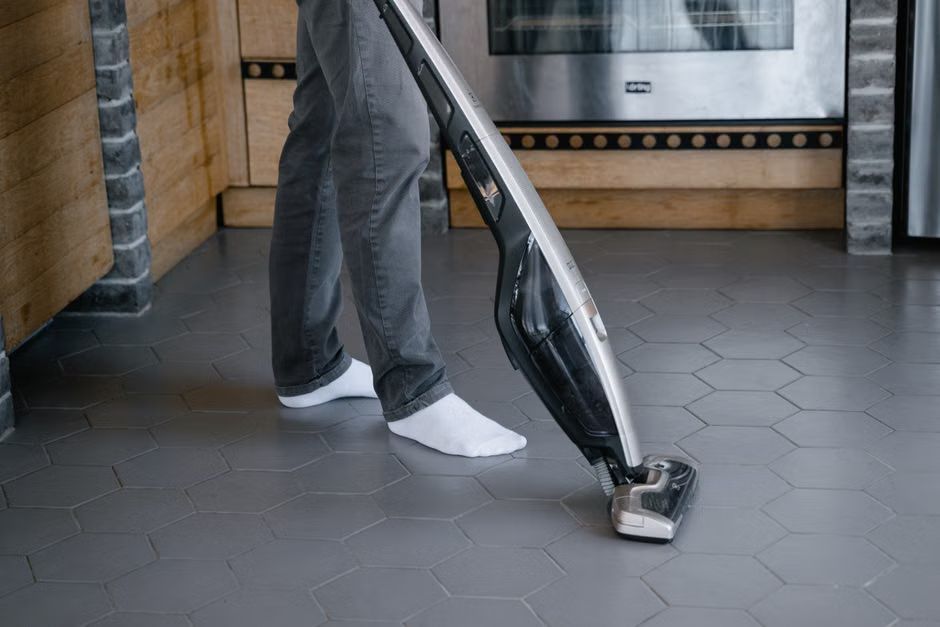
Commercial flooring represents a major capital investment. Neglecting routine floor care accelerates surface degradation, requiring premature replacement and degrading the professional look of your facility. A structured commercial floor service plan protects your surfaces against foot traffic, salt, and abrasive soil.
Hard Floor Restoration and Preventive Care in Commercial Premises Cleaning
Different flooring substrates require specific chemical treatments and mechanical maintenance cycles:
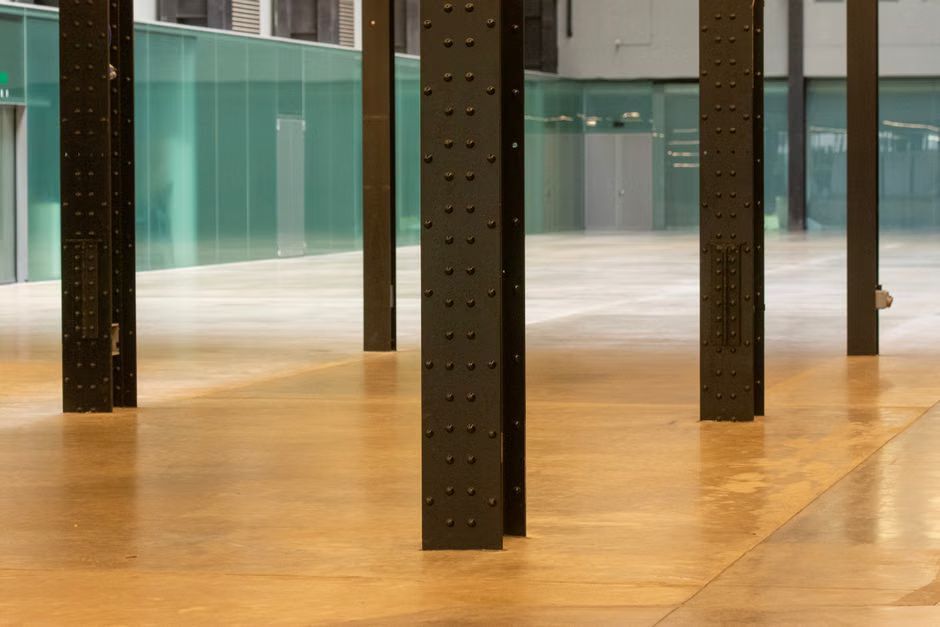
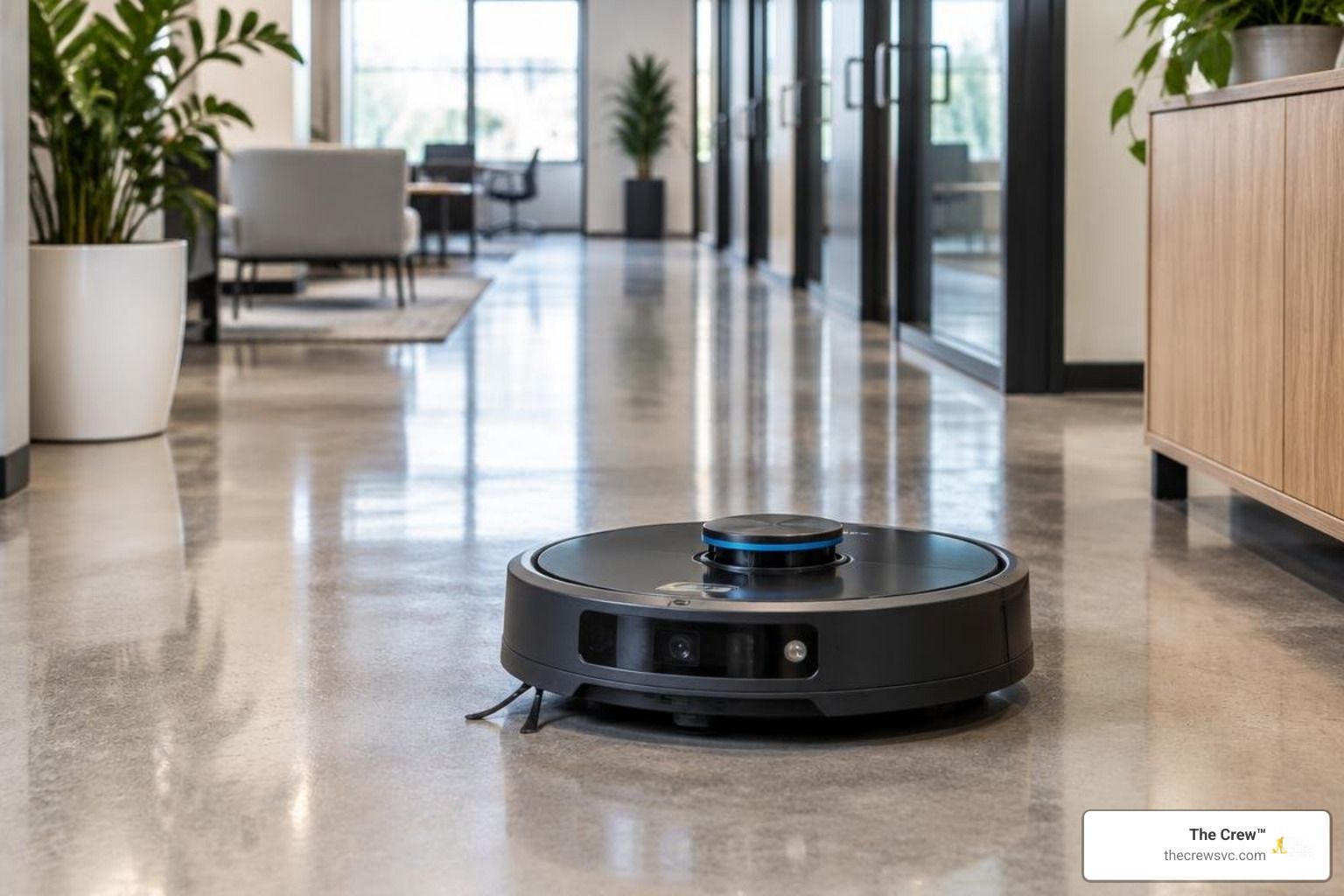
- Polished and Sealed Concrete: Common in modern lobbies, logistics hubs, and open-plan offices, concrete surfaces need pH-neutral conditioning and periodic high-speed burnishing. Learn proper upkeep protocols in our complete overview of concrete floor cleaning.
- Vinyl Composition Tile (VCT) & LVT: Resilient flooring requires scheduled protective finishes to prevent scuffs and moisture penetration. For detailed stripping and sealing cycles, read our guide on vinyl tile care.
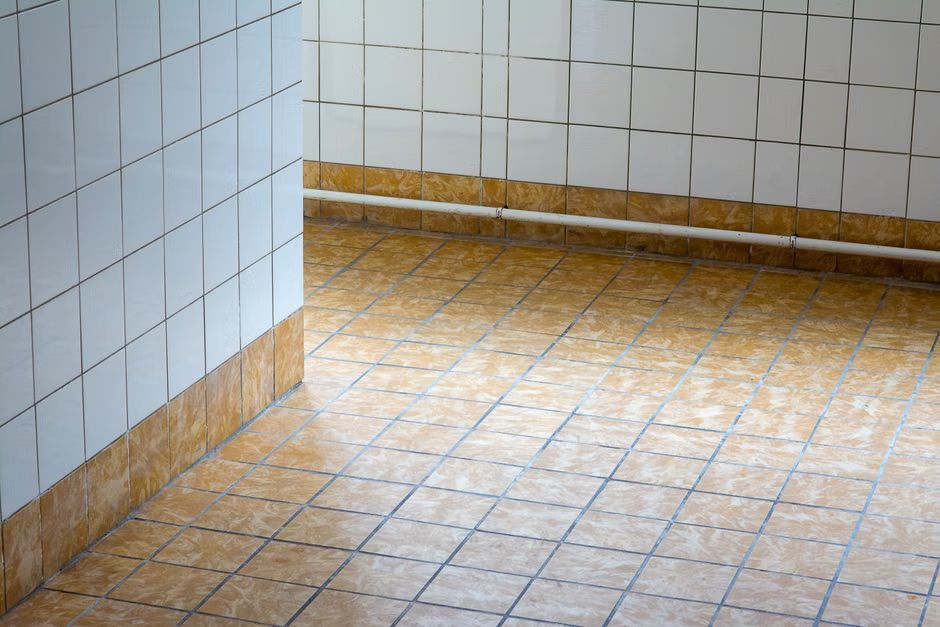
- Ceramic Tile and Grout Lines: Porous grout lines trap dirty mop water, grease, and bacteria over time. Deep extraction using self-contained pressure systems removes embedded grime; discover how our specialized commercial tile and grout cleaning restores tile installations.
High-Level and Industrial Area Maintenance
Specialized facilities—such as cold-storage warehouses, light manufacturing centers, and food packaging facilities—require technical maintenance beyond standard office janitorial care:
- Evaporator Coil Detailing: In refrigerated environments, dirty evaporator fins restrict airflow, increase compressor energy draw, and harbor airborne mold spores. Routine low-pressure cleaning with food-safe chemicals maintains thermal efficiency and keeps utility bills in check.
- Sub-Zero Floor Care: Removing spills and ice accumulation in commercial freezers requires specialized equipment. Operators use self-contained scrubbing units paired with non-freezing saline recovery systems to strip ice build-ups without creating slip-and-fall hazards.
- Roof Void and Rafter De-Dusting: Heavy industrial operations generate airborne particulate that settles on upper structural trusses and ducting. Without routine high-reach HEPA vacuum extraction, dust accumulation creates combustible dust hazards and compromises indoor air quality.
Frequently Asked Questions About Commercial Facility Maintenance
How do occupancy sensors reduce commercial cleaning expenses?
Occupancy sensors record exact pedestrian entry and exit counts across individual zones with over 95% accuracy. Instead of cleaning rooms on a rigid schedule regardless of use, custodial teams focus only on spaces that cross specific traffic thresholds. This eliminates unneeded cleaning passes in vacant areas, optimizes consumable restocks, and can lower routine labor overhead by up to 20%.
What is the most effective contract structure for fluctuating building usage?
For properties with fluctuating hybrid occupancy, a hybrid cost-plus or dynamic performance-based contract works best. These frameworks let property managers set a baseline cleaning frequency while scaling hours up or down based on actual monthly traffic, avoiding rigid fixed-price contracts that bill for unperformed labor.
How can property managers verify cleaning quality without manual inspections?
Quality verification relies on connected facility tracking tools:
- Beacon Verification: Bluetooth beacons log cleaners' time on site and room-by-room routes automatically.
- Digital Photo Audits: Custodial teams take timestamped, geotagged before-and-after photos of high-priority areas.
- Smart Dispensers: Cloud-connected paper and soap dispensers send automated alerts when supply levels drop below set thresholds.
Conclusion
Protecting your commercial facility requires balancing dynamic scheduling, specialized floor maintenance, and transparent contract oversight. Modern commercial premises cleaning balances real-world traffic data with experienced cleaning crews to keep facilities pristine, safe, and cost-effective.
At The Crew™, we provide reliable, high-standard janitorial and day porter services across the Denver Metro Area—including Aurora, Lakewood, Commerce City, Littleton, Longmont, Arvada, Centennial, and Broomfield. Our unique employment model focuses on hiring and retaining thoroughly background-checked cleaning professionals with 0% staff turnover, giving your facility consistent quality and security on every shift.
Ready to improve your property maintenance standards with dependable, data-backed cleaning solutions? Explore our tailored commercial premises cleaning services today to request a comprehensive site assessment and customized service plan.