Introduction
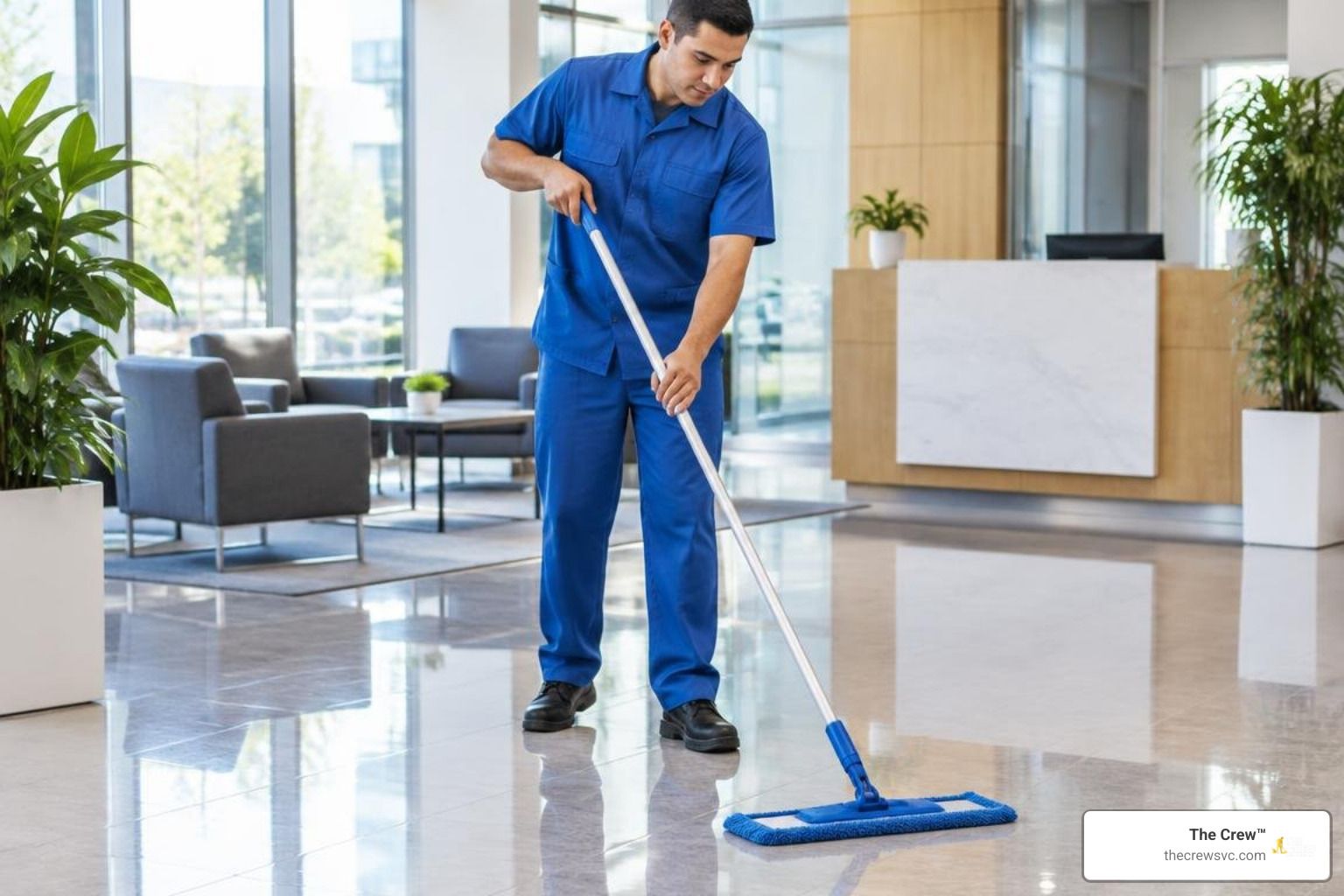
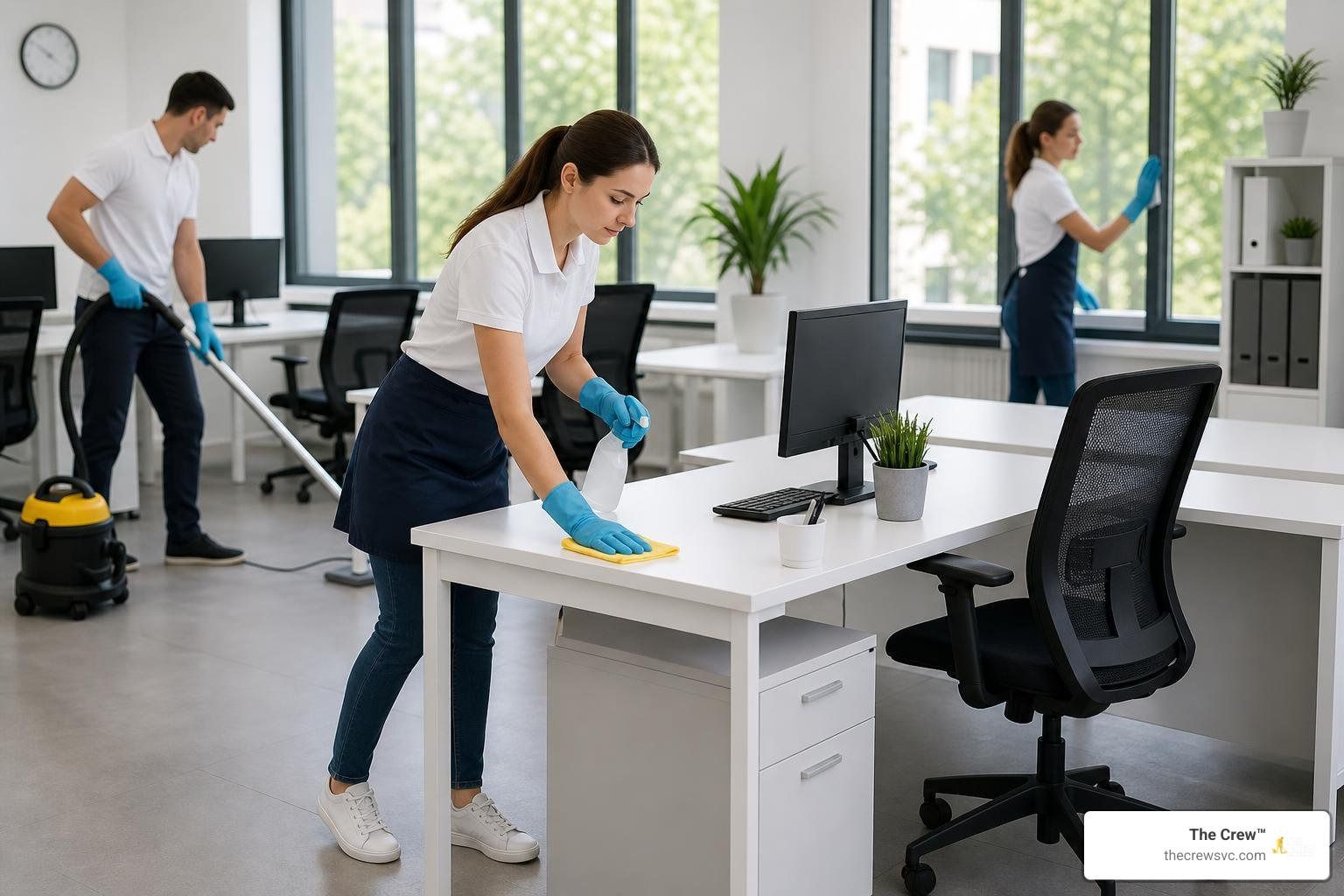
Daily office cleaning and sanitizing starts with a simple, repeatable routine: sanitize high-touch surfaces such as door handles, light switches, elevator buttons, and shared equipment at least once or twice per day; clean breakroom counters and appliance handles with a two-step wash-and-sanitize process; and disinfect electronics like keyboards and touchscreens using lightly dampened 70% isopropyl alcohol on static-safe microfiber cloths. These protocols directly reduce pathogen transmission and help keep your team healthy.
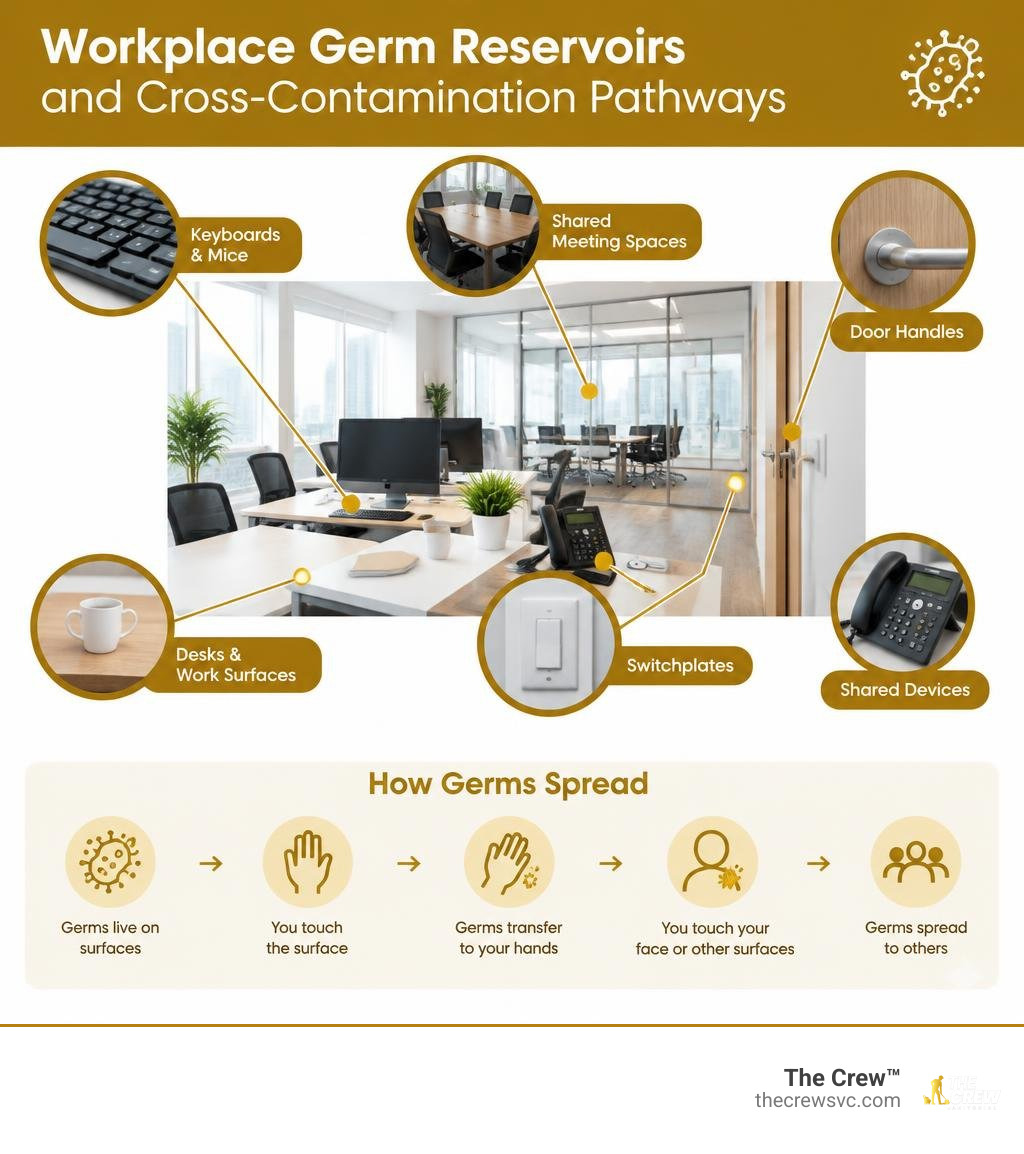
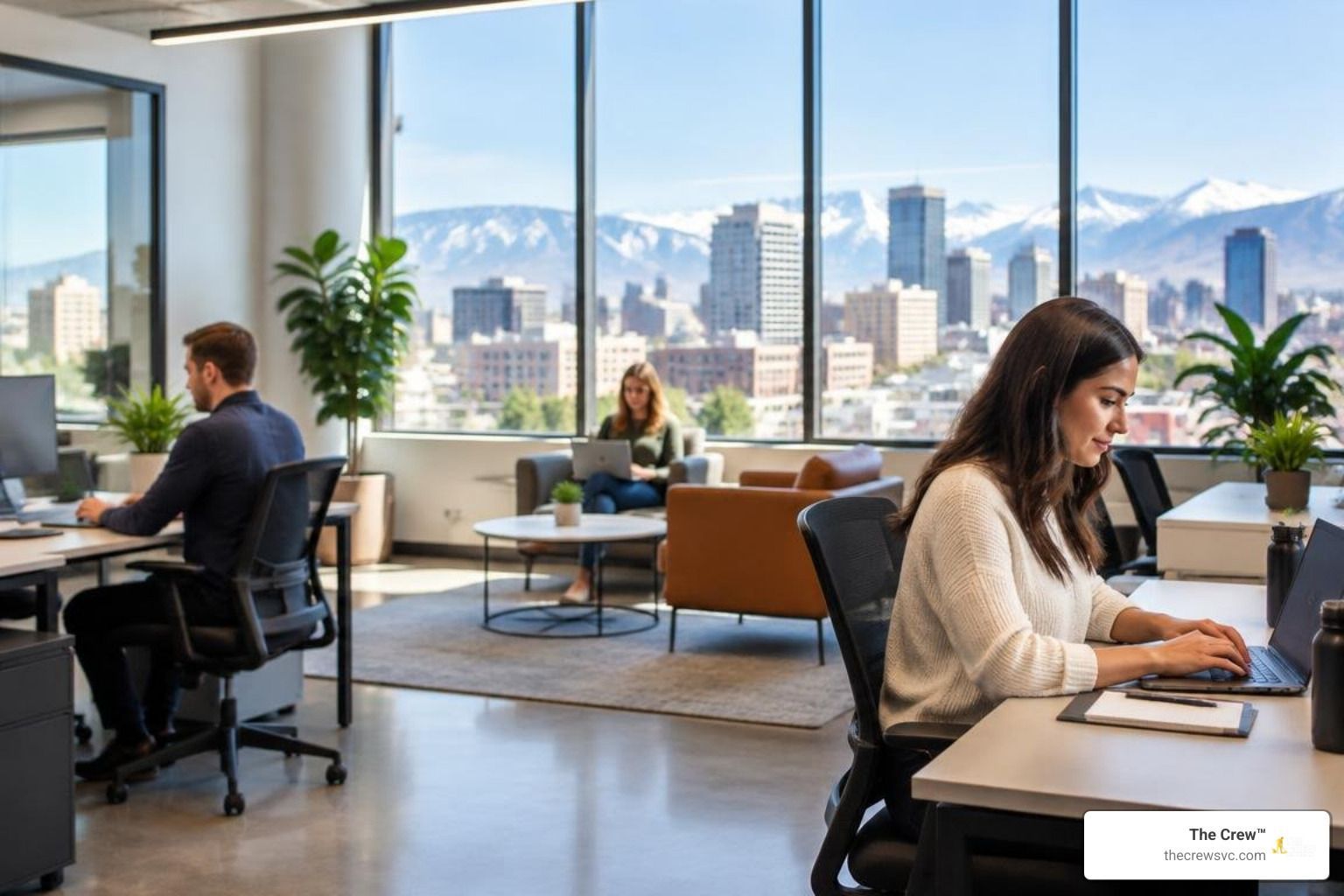
A spotless workplace does far more than create a good first impression for visiting clients. Beneath the surface of an organized floor plan lies a microscopic ecosystem that directly impacts your bottom line. Research shows that the average office desk harbors 400 times more bacteria than a toilet seat. When you consider that nearly 80% of common workplace germs spread through ordinary touchpoints like door handles, conference room switchplates, and keyboards, daily hygiene transforms from a cosmetic preference into a crucial operational strategy.
Investing in disciplined hygiene yields immediate returns. Regular sanitization of high-touch surfaces reduces the transmission risk of respiratory and gastrointestinal illnesses by up to 50%. In turn, employees who work in clean, sanitized facilities take an average of 2.5 fewer sick days per year. Furthermore, 94% of workers report feeling significantly more productive in a tidy, hygienic environment. Protecting your workforce starts with understanding how to clean effectively.
Understanding the Core Differences: Cleaning, Sanitizing, and Disinfecting
Many workplace facilities make the mistake of using the terms "cleaning," "sanitizing," and "disinfecting" interchangeably. In professional facility care, these three actions represent distinct levels of microbial control with specific chemical and mechanical requirements. Knowing how to distinguish sanitize vs disinfect vs sterilize ensures your team applies the right treatment to the right surface.
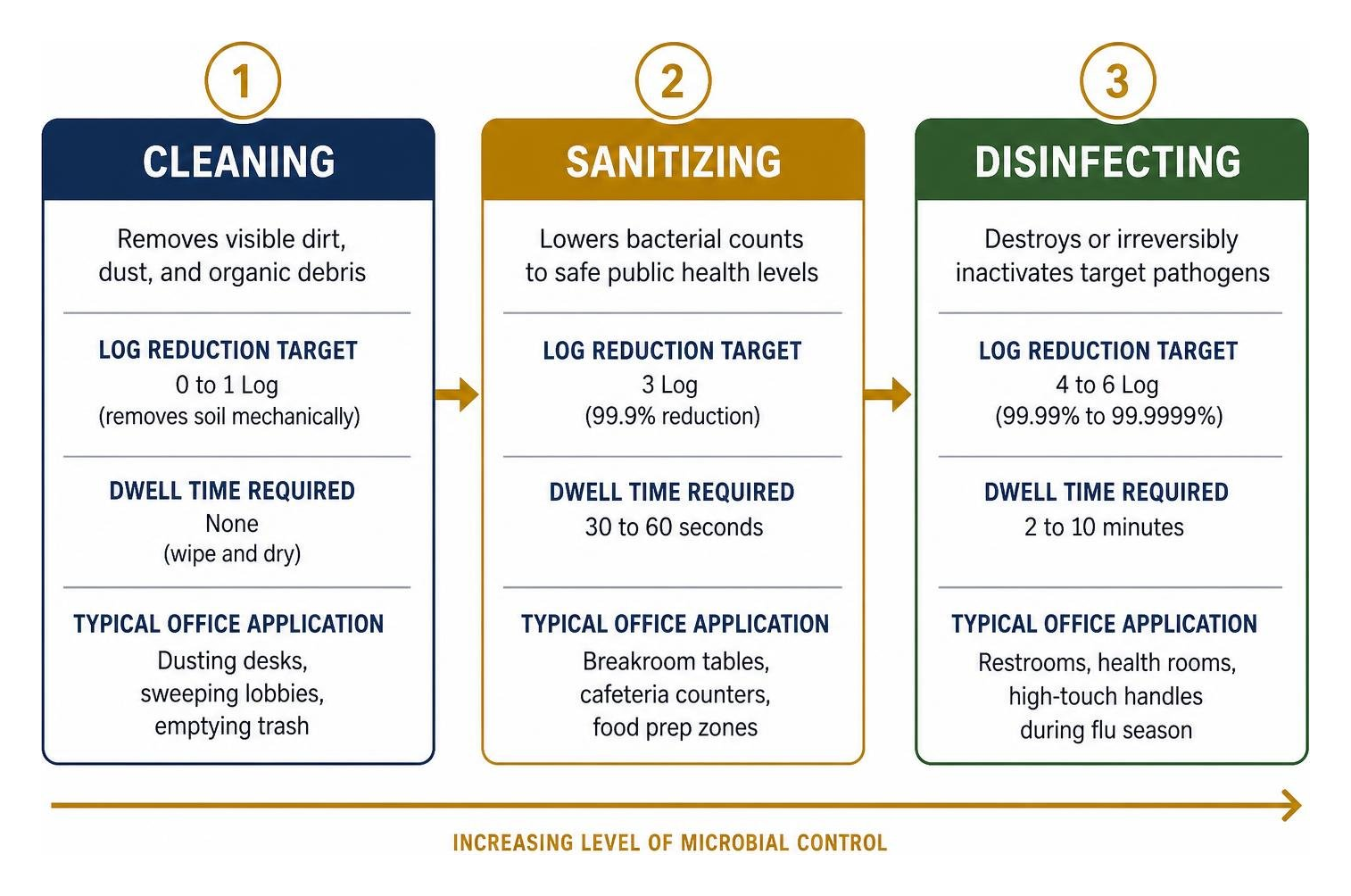
| Process | Primary Objective | Log Reduction Target | Dwell Time Required | Typical Office Application |
|---|---|---|---|---|
| Cleaning | Removes visible dirt, dust, and organic debris | 0 to 1 Log (removes soil mechanically) | None (wipe and dry) | Dusting desks, sweeping lobbies, emptying trash |
| Sanitizing | Lowers bacterial counts to safe public health levels | 3 Log (99.9% reduction) | 30 to 60 seconds | Breakroom tables, cafeteria counters, food prep zones |
| Disinfecting | Destroys or irreversibly inactivates target pathogens | 4 to 6 Log (99.99% to 99.9999%) | 2 to 10 minutes | Restrooms, health rooms, high-touch handles during flu season |
Cleaning relies on friction, water, and detergents to physically lift organic matter from a surface. It does not necessarily kill pathogens, but it lowers their numbers and removes the biological shield that protects them.
Sanitizing takes the process further by using specialized chemical agents to reduce bacteria to acceptable health thresholds, making it ideal for food-contact zones.
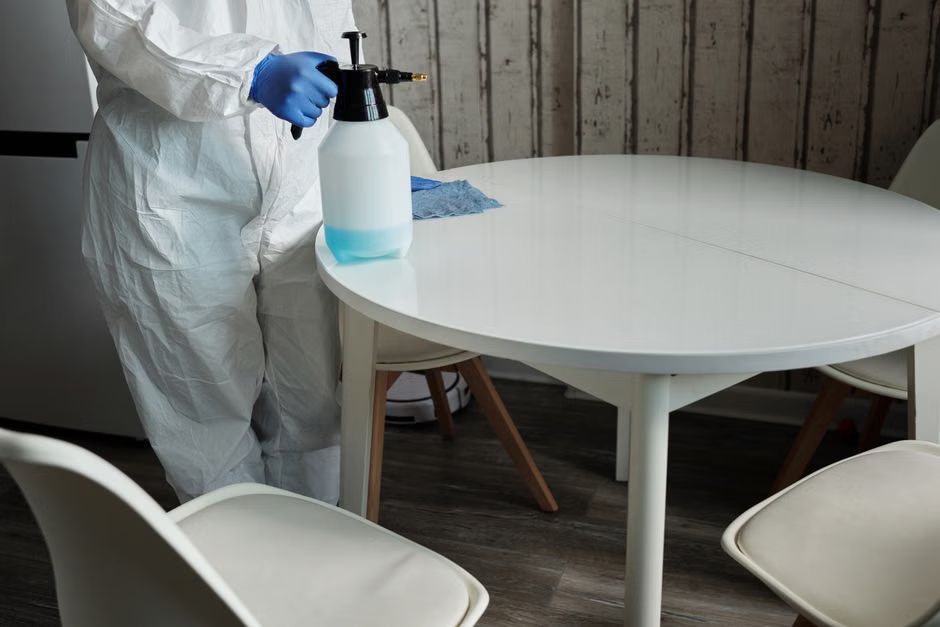
Disinfecting utilizes potent formulations to kill specific viruses, fungi, and bacteria on hard surfaces. To achieve this, the chemical must stay visibly wet on the surface for its specified dwell time—often between two and ten minutes. For high-risk settings or active outbreaks, facilities rely on clinical grade office disinfection to halt disease transmission.
Safe and Effective Sanitizing Products for Corporate Workspaces
Selecting chemicals for a commercial facility requires balancing pathogen-kill efficacy with worker safety. Look for EPA-registered formulations with clear efficacy claims against common human pathogens.
- Quaternary Ammonium Compounds (Quats): Widely favored for non-porous surfaces due to their broad-spectrum efficacy, low odor, and non-corrosive nature.
- Hydrogen Peroxide-Based Cleaners: Excellent eco-friendly alternatives that break down into water and oxygen, leaving zero toxic residue while providing rapid sanitization.
- Alcohol-Based Solutions (70% Isopropyl Alcohol): Ideal for moisture-sensitive electronics, evaporating quickly without leaving streaks or damaging sensitive circuitry.
- Microfiber Technology: High-grade split microfiber cloths mechanically trap up to 99% of surface bacteria when paired with clean water or mild sanitizers, preventing the spread of contaminants across desks.
Facilities should align their product selection with safety guidelines like the municipal environmental health standards to safeguard indoor air quality. Always maintain accessible Safety Data Sheets (SDS) for every product in your janitorial inventory.
Essential Protocols for Daily Office Cleaning and Sanitizing
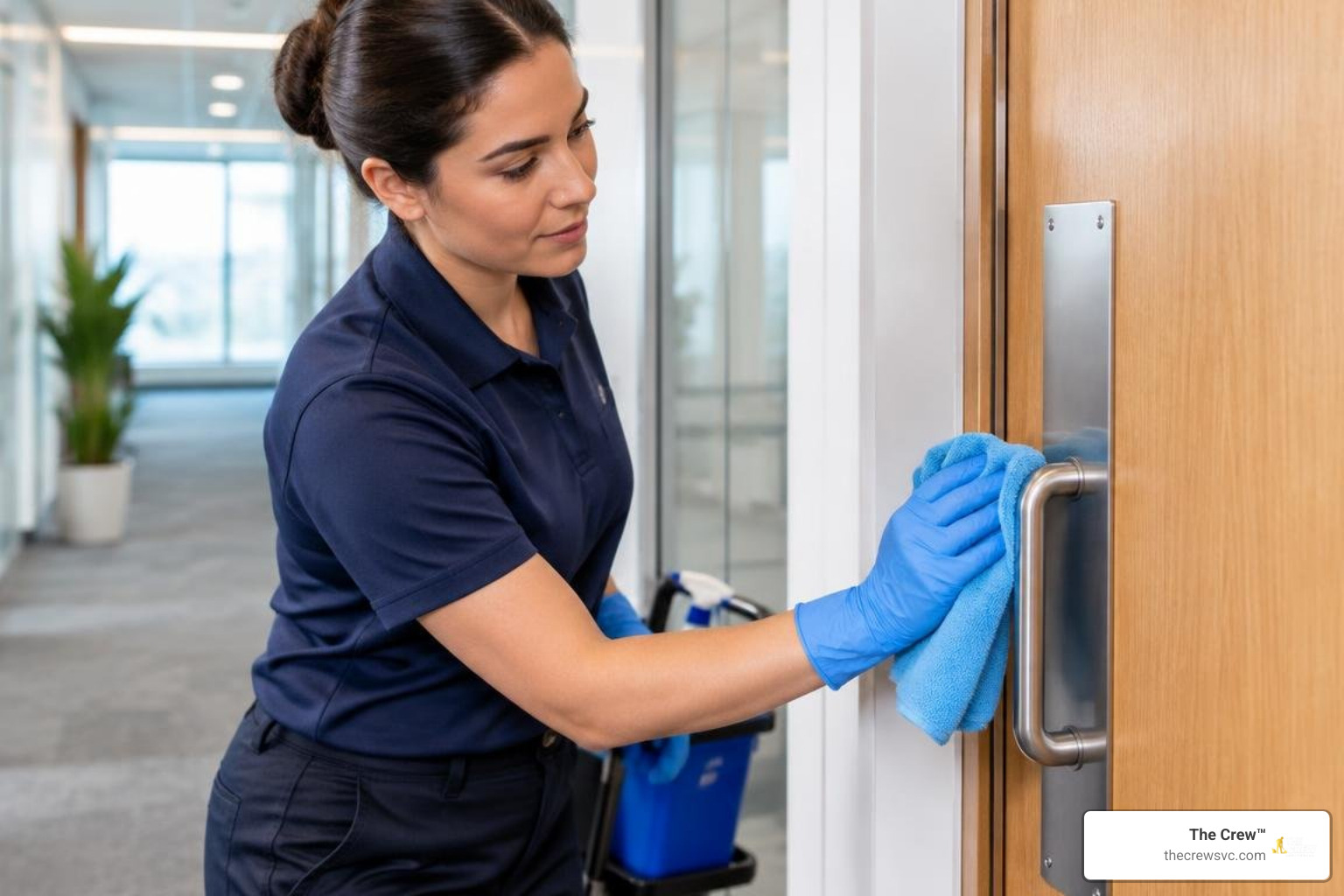
An effective hygiene program targets the areas where pathogens cluster and spread. Without deliberate planning, routine cleaning often misses the specific touchpoints responsible for cross-contamination. Implementing targeted office sanitizing protocols ensures that your staff or cleaning crew focuses on the vectors that matter most.
Mandatory daily touchpoints include:
- Exterior and interior architectural door handles, crash bars, and push plates
- Elevator call buttons and interior floor panels
- Stairwell handrails and guardrails
- Light switches, dimmer dials, and HVAC control panels
- Common office machinery interfaces (printers, copiers, postage meters)
- Water cooler dispensers, bottle refill buttons, and ice machine levers
- Reception check-in kiosks, digital styluses, and clipboards
Sanitizing Shared Zones: Breakrooms, Conference Rooms, and Restrooms
Shared office areas experience continuous foot traffic and varied activities, making them hotspots for bacterial exchange. Breakrooms combine food preparation with high human touch, requiring a strict two-step approach: wash away food residues with a neutral detergent, then apply an EPA-registered food-contact sanitizer to counters, microwave keypads, refrigerator handles, and coffee stations.
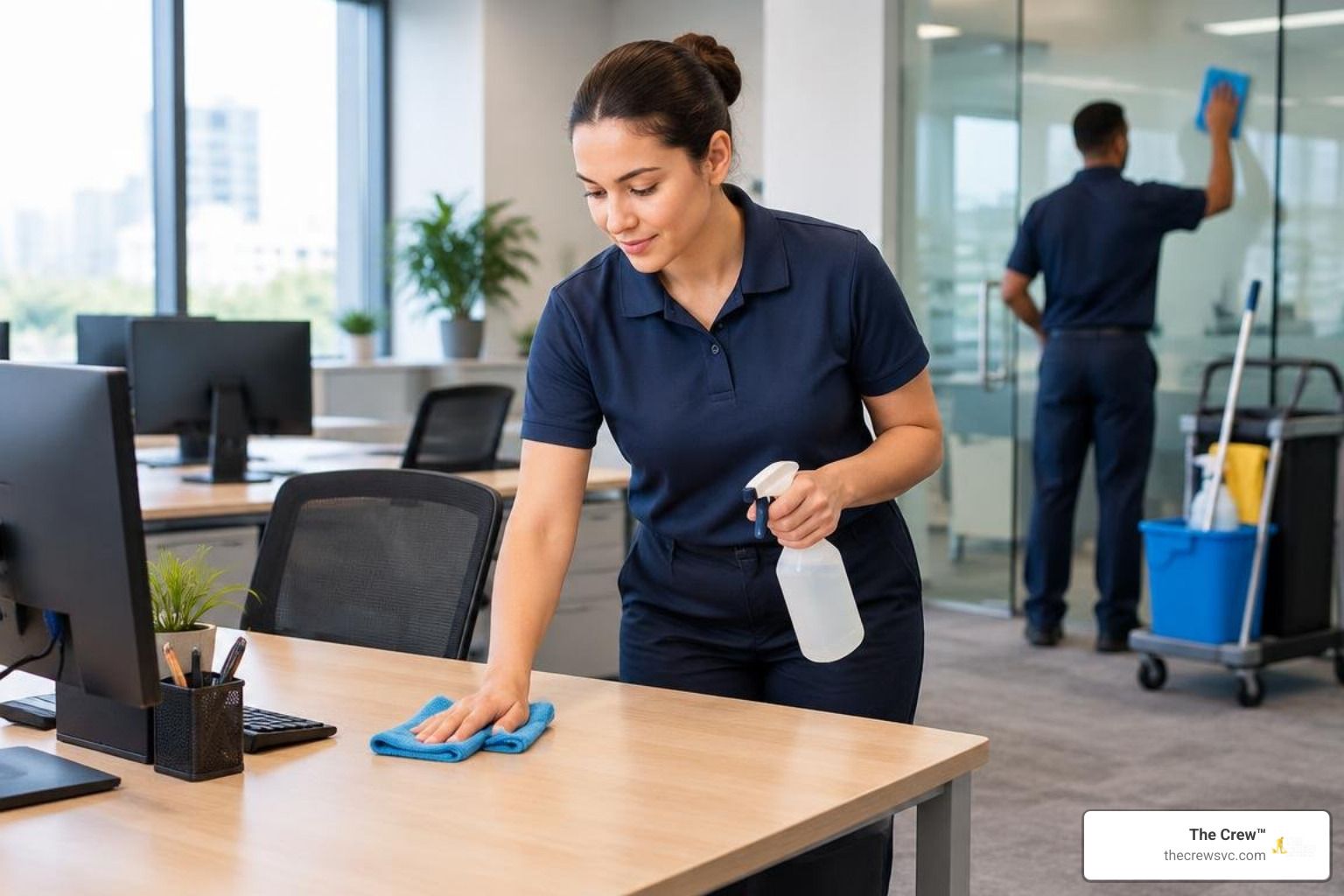
Conference rooms require regular turnover care between collaborative sessions. Wipe down shared conference tables, remote controls, HDMI adapters, marker trays, and chair armrests daily.
Restrooms demand hospital-grade germicidal cleaners. Beyond toilets and urinals, janitorial staff must treat sink faucets, soap dispenser levers, paper towel cranks, stall latches, and exit door hardware with adequate dwell time to neutralize enteric and respiratory pathogens.
Safe Sanitization Guidelines for Electronics and Sensitive Equipment
Modern offices rely on delicate electronics that harsh liquid chemicals can easily ruin. Cleaning computer peripherals, touchscreen check-in stations, and desk phones requires precision:
- Always disconnect power or turn off electronic devices before applying liquid cleaners.
- Never spray sanitizers or disinfectants directly onto screens, trackpads, or keyboards. Liquid can seep into internal switches and destroy delicate components.
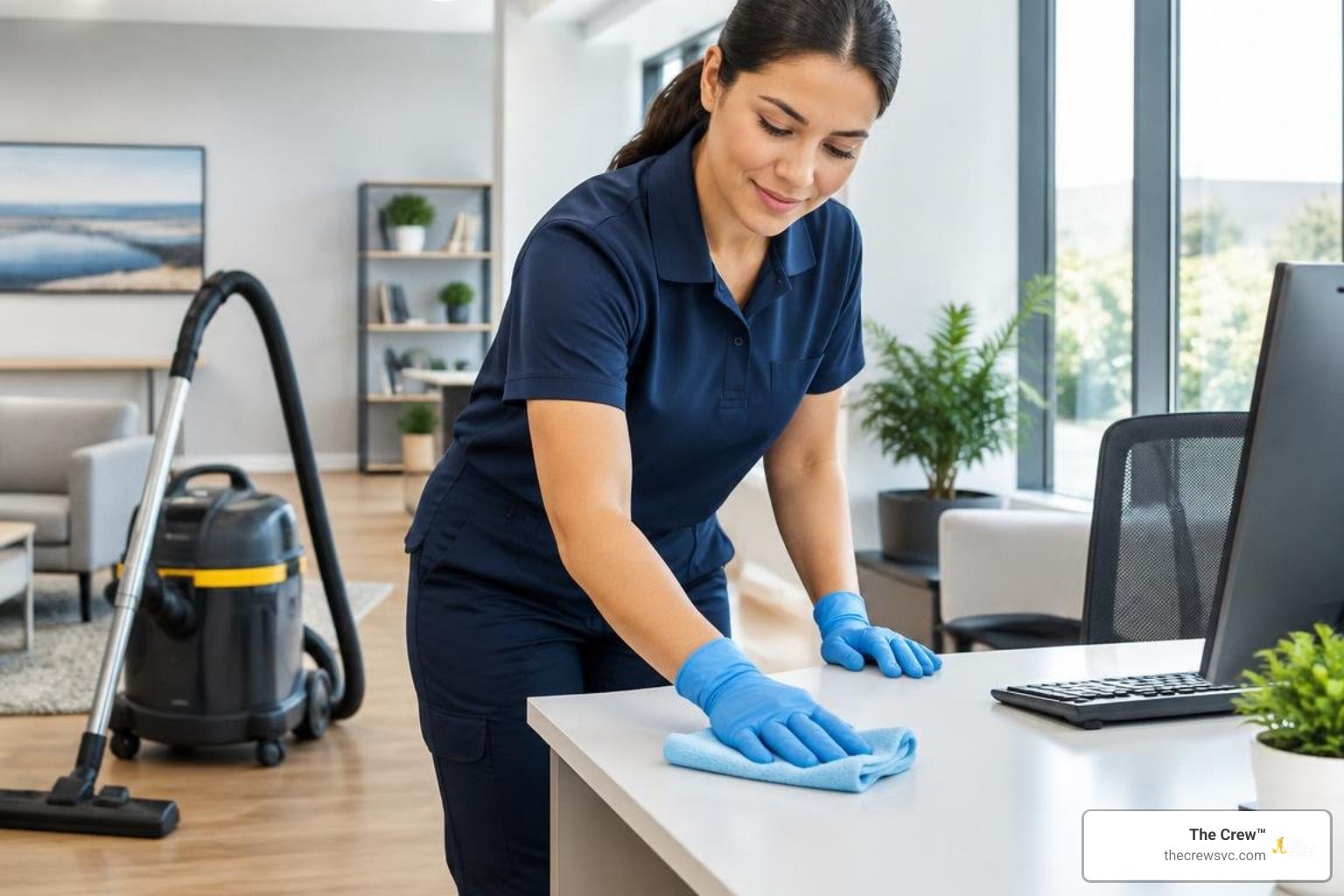
- Apply a 70% isopropyl alcohol solution or an electronics-certified sanitizing agent onto a lint-free, static-safe microfiber cloth until it is lightly damp, not dripping wet.
- Gently wipe keys, mouse bodies, and screen edges, allowing the alcohol to air dry completely.
- Use compressed air cans to dislodge crumbs, dust, and hair caught beneath keyboard keys before wiping surface plastics.
Optimizing Workflows, Scheduling, and Facility Air Quality
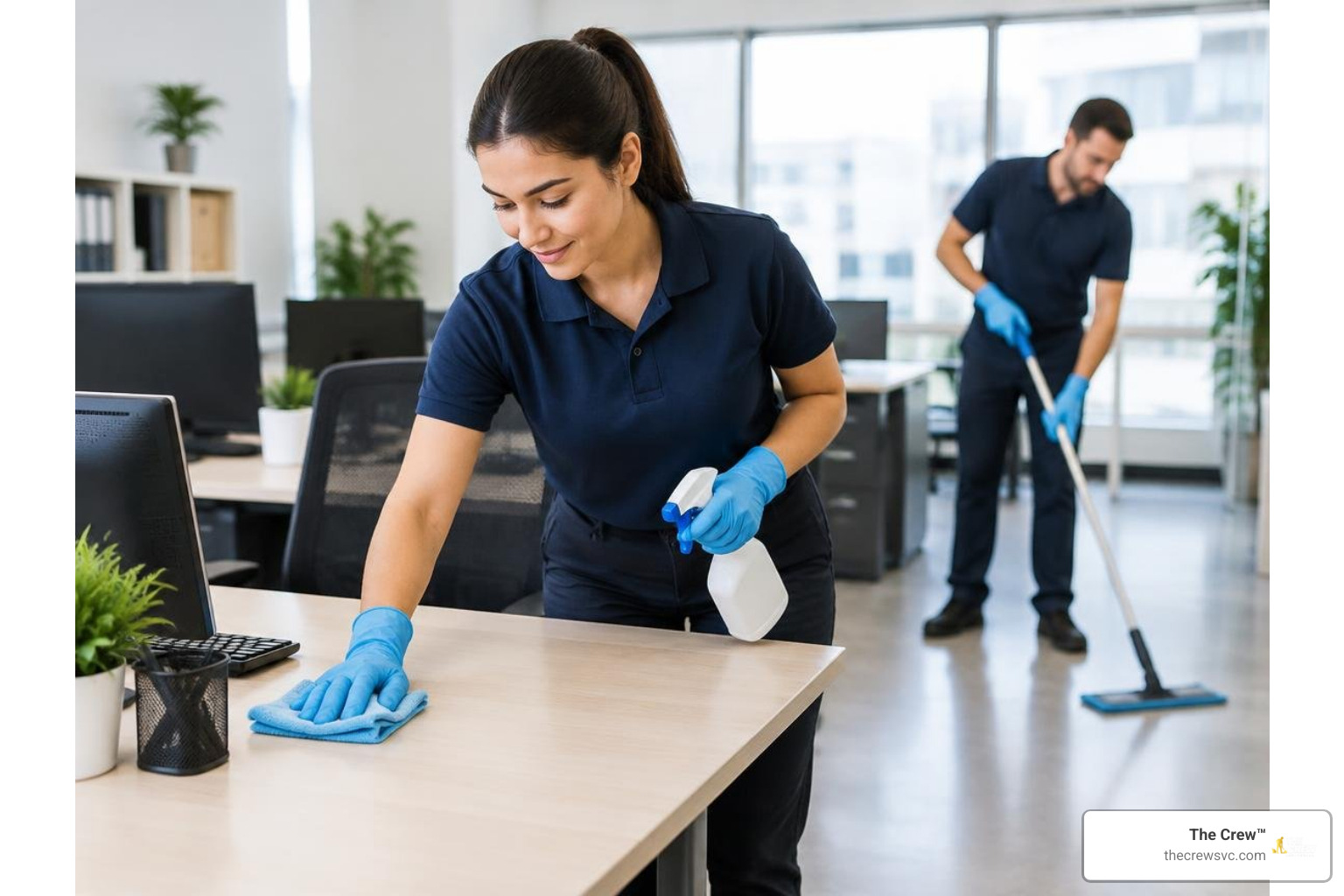
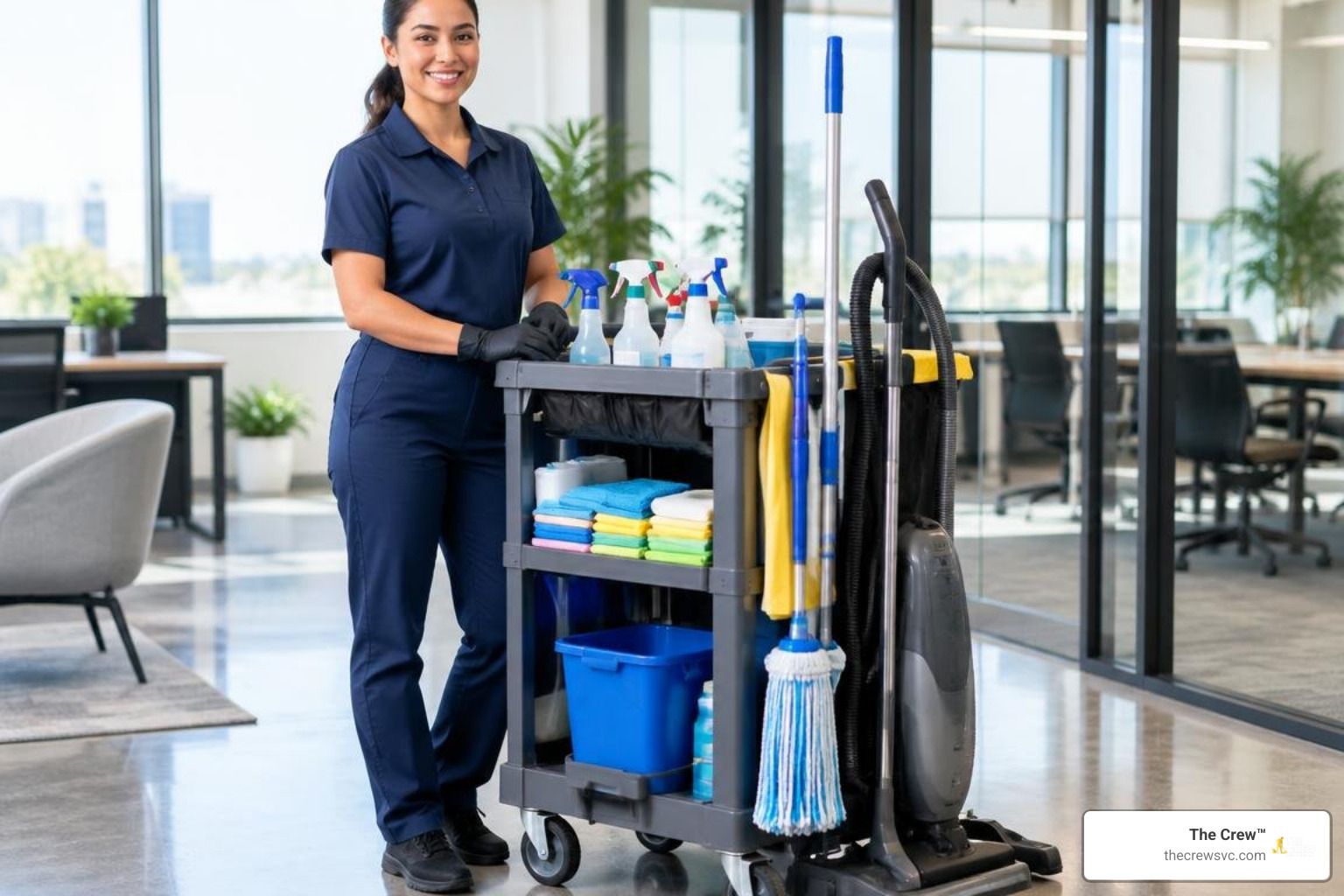
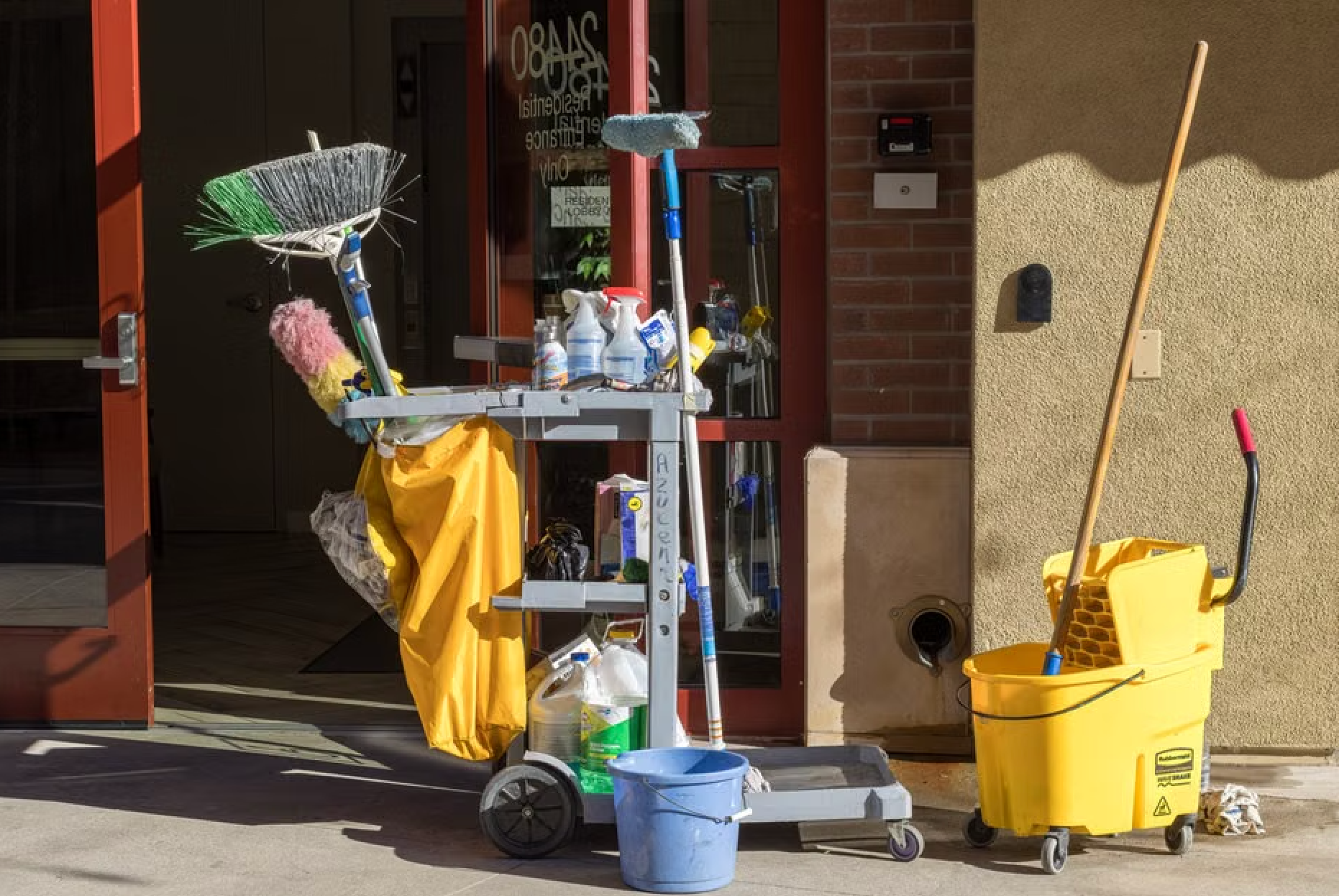
A thorough sanitation program should never derail daily business operations. Balancing deep cleaning with workplace focus requires smart scheduling. Many facilities rely on day porter office cleaning to discreetly wipe common touchpoints, refresh restrooms, and restock hand sanitizer stations during standard hours without interrupting meetings.
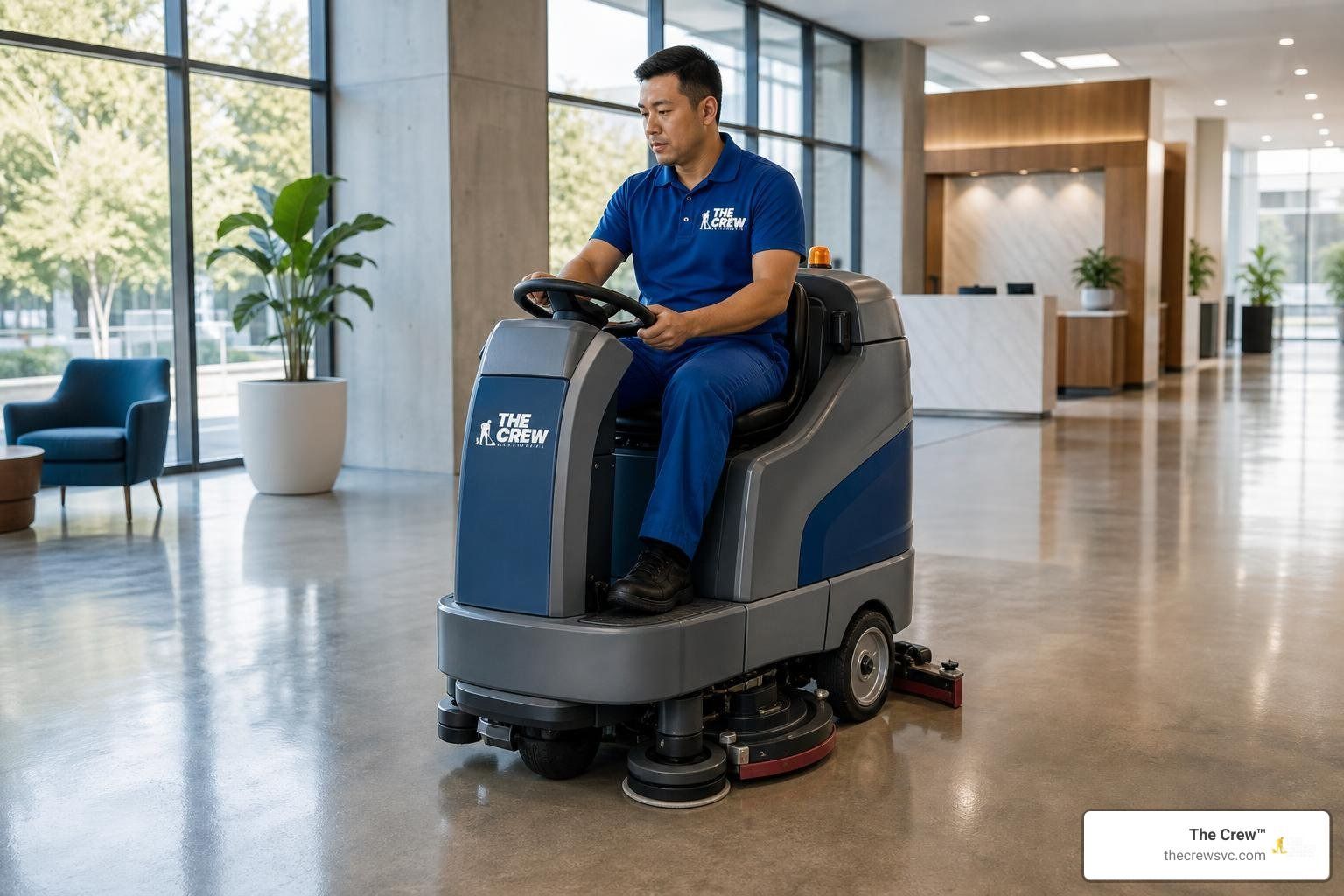
To execute noisier or more intensive tasks, businesses frequently utilize stealth cleaning strategies for zero downtime. Transitioning floor care, deep dusting, and chemical fogging to after-hours evening office cleaning ensures chemical vapors dissipate and surfaces dry well before the morning shift arrives.
Integrating Air Quality Management into Office Cleaning and Sanitizing
Surface hygiene and indoor air quality (IAQ) are closely linked. Stirring up settled dust while wiping desks simply transfers allergens and pathogens back into the air your team breathes.
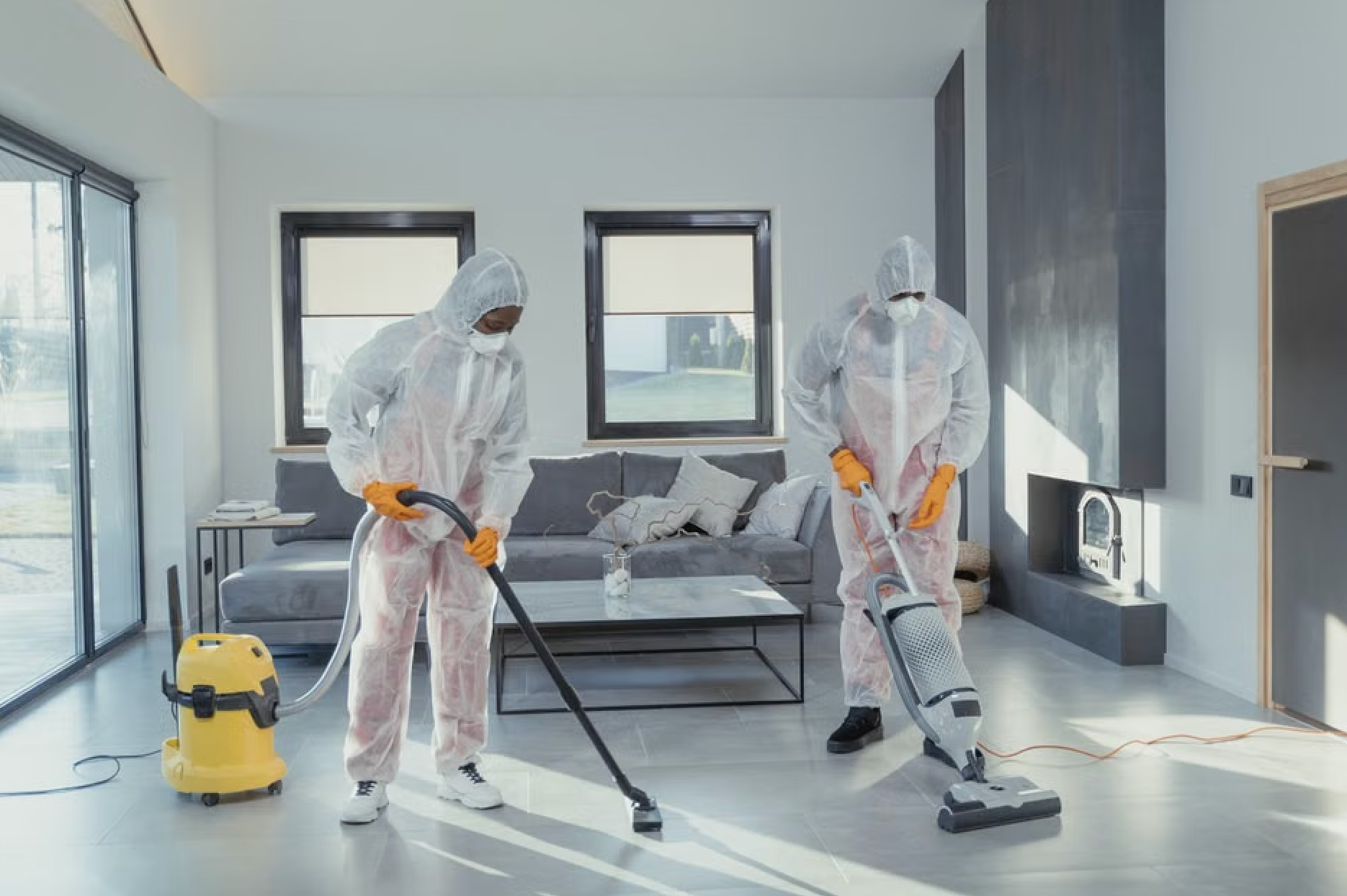
- HEPA-Filtered Vacuums: Janitorial teams must use commercial vacuums equipped with certified HEPA filters capable of trapping 99.97% of particulates down to 0.3 microns, preventing the exhaust from recirculating dust and mold spores.
- Damp-Dusting Methods: Never use dry feather dusters, which flick particulate matter into the air. Use damp, electrostatic microfiber cloths to capture dust at the source.
- HVAC Filter Maintenance: Pair surface cleaning with routine MERV-13 (or higher) HVAC filter replacements to ensure proper fresh air exchanges.
- Humidity Control: Keep indoor relative humidity between 40% and 60%. This range accelerates the natural inactivation of airborne viral particles while reducing static and supporting respiratory health.
Adapting Cleaning Protocols for Peak Illness Seasons
During winter months or regional viral outbreaks, standard janitorial frequencies must scale up to handle higher pathogen loads.
- Increase Touchpoint Frequency: Shift high-traffic touchpoint sanitization from once daily to two or three times per day.
- Deploy Standalone Sanitizing Stations: Place touch-free hand sanitizer dispensers at every building entrance, outside elevator banks, and inside conference rooms.
- Switch to Sporicidal/Broad-Spectrum Disinfectants: Temporarily upgrade daily chemical solutions to broad-spectrum agents with shorter dwell times (e.g., 60-second contact kill claims).
- Isolate and Treat Exposure Zones: If an employee leaves work sick, promptly seal their personal workspace and run a focused sanitization routine over their desk, chair, hardware, and nearby shared walls.
Program Implementation: Training, Employee Engagement, and Budgeting
Even the most thorough cleaning program struggles without company-wide participation. Building a hygienic workspace requires clear hygiene standards, transparent communication, and structured routines. Establish a basic Clean Desk Policy that encourages employees to clear paper clutter at the end of the day, giving janitorial teams direct access to sanitize desktop surfaces.
Host brief training sessions covering personal workspace hygiene, hand-washing techniques, and the proper use of desk-side sanitizing wipes. When workers understand that clean desks cut down on team sick days, compliance becomes a shared cultural value. If your company operates on a hybrid schedule, implement flexible office cleaning schedules that focus deep sanitization work on peak attendance days like Tuesdays and Thursdays.
Cost-Effective Office Cleaning and Sanitizing Strategies for Growing Businesses
Keeping an office pristine does not require an excessive budget. By deploying smart labor allocation and preventive maintenance, growing companies can control operational costs without cutting corners:
- Invest in Dilution Control Systems: Purchasing concentrated, commercial-grade chemicals paired with automatic wall-mounted dispensers prevents chemical over-use and saves money compared to ready-to-use spray bottles.
- Focus on High-Impact Zones: Prioritize your labor hours around high-traffic zones—restrooms, breakrooms, and shared door hardware—while scheduling low-traffic private offices for rotational cleaning.
- Protect Assets Preventatively: Regular walk-off mat maintenance at building entryways traps up to 80% of exterior dirt before it ever reaches your interior carpets, extending the life of your flooring and cutting floor care costs.
Frequently Asked Questions About Office Sanitation
How often should high-touch office surfaces be sanitized throughout the workday?
In average commercial offices, high-touch architectural surfaces (like main entrance doors and elevator buttons) should be sanitized at least once to twice daily. In high-density settings, medical offices, or during peak illness seasons, touchpoints should be sanitized every two to four hours, particularly after shift changes and major group meetings.
What is the safest way to disinfect computer keyboards without causing damage?
First, disconnect the keyboard or shut down the laptop. Turn the keyboard upside down and use a can of compressed air to clear out loose debris. Then, wipe the surface keycaps using a static-safe microfiber cloth lightly dampened with 70% isopropyl alcohol. Avoid oversaturating the cloth, and allow the keyboard to air dry for at least two minutes before reconnecting the power.
Can green cleaning products sanitize as effectively as traditional chemicals?
Yes. Modern green sanitizers formulated with active ingredients like citric acid, thymol, or accelerated hydrogen peroxide can match the pathogen-kill rates of conventional chemicals. Look for products with EPA Design for the Environment (DfE) certification. That some botanical formulations require slightly longer dwell times to achieve full disinfection compared to harsh synthetic options.
Conclusion
A well-planned sanitation routine does far more than keep an office looking sharp. Systematic sanitization actively protects your business operations, preserves productivity, and safeguards your team's day-to-day health.
At The Crew™, we have spent decades perfecting commercial janitorial systems across the Denver Metro Area—including Aurora, Lakewood, Westminster, Longmont, and Centennial. Our family-run operation maintains a 0% cleaner turnover rate by hiring background-checked career cleaners who take genuine pride in their craft. If your workspace needs consistent, dependable care, explore our tailored small office cleaning services to create a cleaner, healthier environment for your team.