A Clean Store Sells: Why Every Retailer Needs a Cleaning Checklist
A retail store cleaning checklist is the backbone of any store that wants to make a great first impression — every single day.
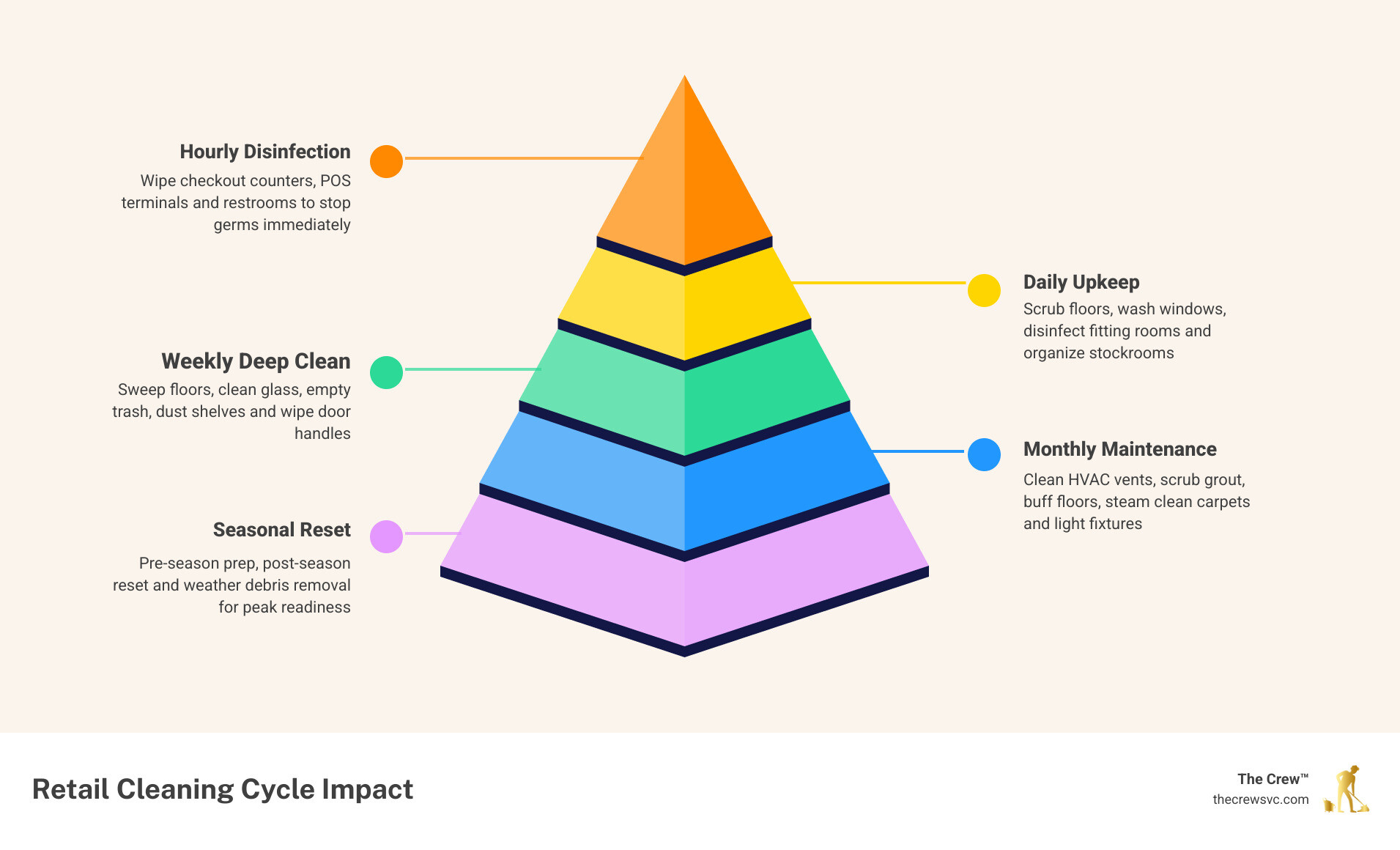
Here's a quick overview of what a complete retail store cleaning checklist covers:
| Frequency | Key Tasks |
|---|---|
| Hourly | Disinfect checkout counters, POS terminals, restrooms |
| Daily | Sweep/mop floors, clean entrance glass, empty trash, dust shelves, wipe door handles |
| Weekly | Deep clean floors, wash windows, clean stockrooms, disinfect fitting rooms |
| Monthly | Clean HVAC vents, scrub grout, buff floors, steam clean carpets, wash light fixtures |
| Seasonally | Pre-season deep clean, post-season reset, weather debris removal |
According to National Retail Federation data, 78% of shoppers say store cleanliness directly influences where they choose to spend their money. That's not a small detail — that's most of your potential customers making decisions based on what they see, smell, and touch the moment they walk in.
A dirty entrance, sticky floor, or smudged display case doesn't just look bad. It signals neglect. It drives customers out the door — and sometimes straight to a competitor.
The good news? A structured checklist fixes this. It removes guesswork, keeps your team accountable, and ensures nothing gets missed — whether it's a Monday morning or the middle of a holiday rush.
I'm Carlos Castillo II, owner of The Crew Janitorial, a family-run commercial cleaning company serving the Denver Metro Area since 1982 — and building a reliable retail store cleaning checklist is one of the most common challenges I help business owners solve. In this guide, I'll walk you through exactly what to clean, how often, and how to build a system your team will actually follow.
Why a Clean Environment is Essential for Retail Success
In retail, your storefront is your silent salesperson. As we move through May 2026, the standards for physical retail have never been higher. With the convenience of online shopping, customers who choose to visit a brick-and-mortar store in Denver or Aurora expect an experience that feels premium, safe, and inviting.
As mentioned in the intro, that 78% shopper influence statistic is a powerful motivator. But the benefits of a retail store cleaning checklist go beyond just making a sale today. A clean store atmosphere actually increases "dwell time"—the amount of time a customer spends browsing. The longer they stay, the more likely they are to discover impulse purchases or engage with your staff for cross-selling opportunities.
Maintaining high hygiene standards is also about health compliance and safety. For businesses in Lakewood or Centennial, preventing slips, trips, and falls is a major priority. Spills that aren't addressed immediately or cluttered aisles aren't just eyesores; they are legal liabilities. By following a structured Retail store cleaning checklist: Daily, weekly, and deep cleaning, you protect your brand's reputation and your bottom line.
Professionalism breeds brand loyalty. When a customer sees a sparkling floor and dust-free displays, they trust the quality of the products you're selling. Conversely, a dirty restroom can lead to a negative perception of your entire business, regardless of how great your inventory is.
The Ultimate Daily Retail Store Cleaning Checklist
Daily cleaning is about maintaining the "just opened" look from morning until close. In high-traffic areas like Westminster or Arvada, dirt can accumulate in minutes. Your retail store cleaning checklist should be divided into tasks performed before opening, throughout the day, and after closing.

Daily Retail Store Cleaning Checklist Tasks for High-Traffic Areas
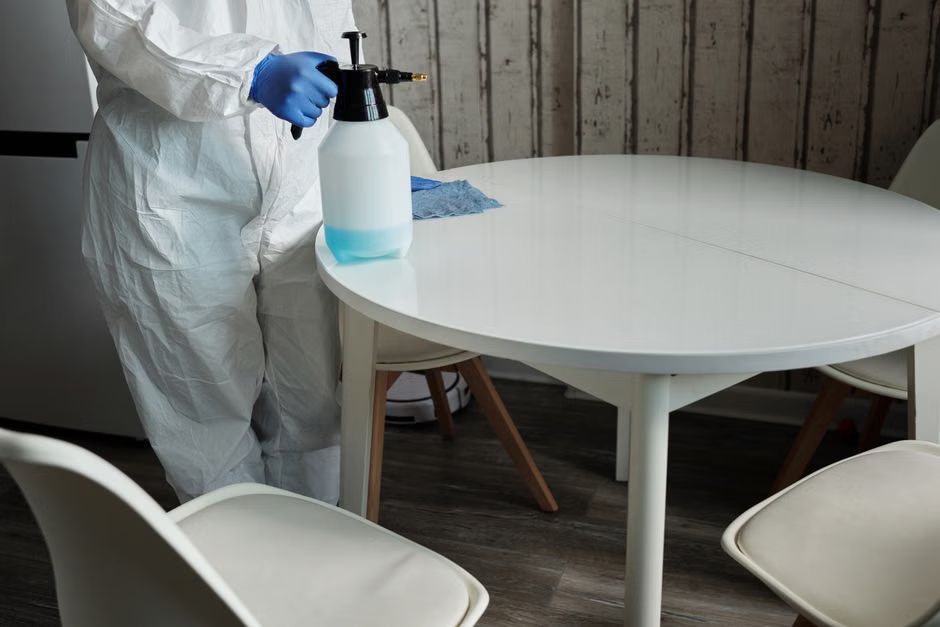
The areas where customers spend the most time or touch the most surfaces require the most attention. We recommend using EPA-approved disinfectants and focusing on the following:
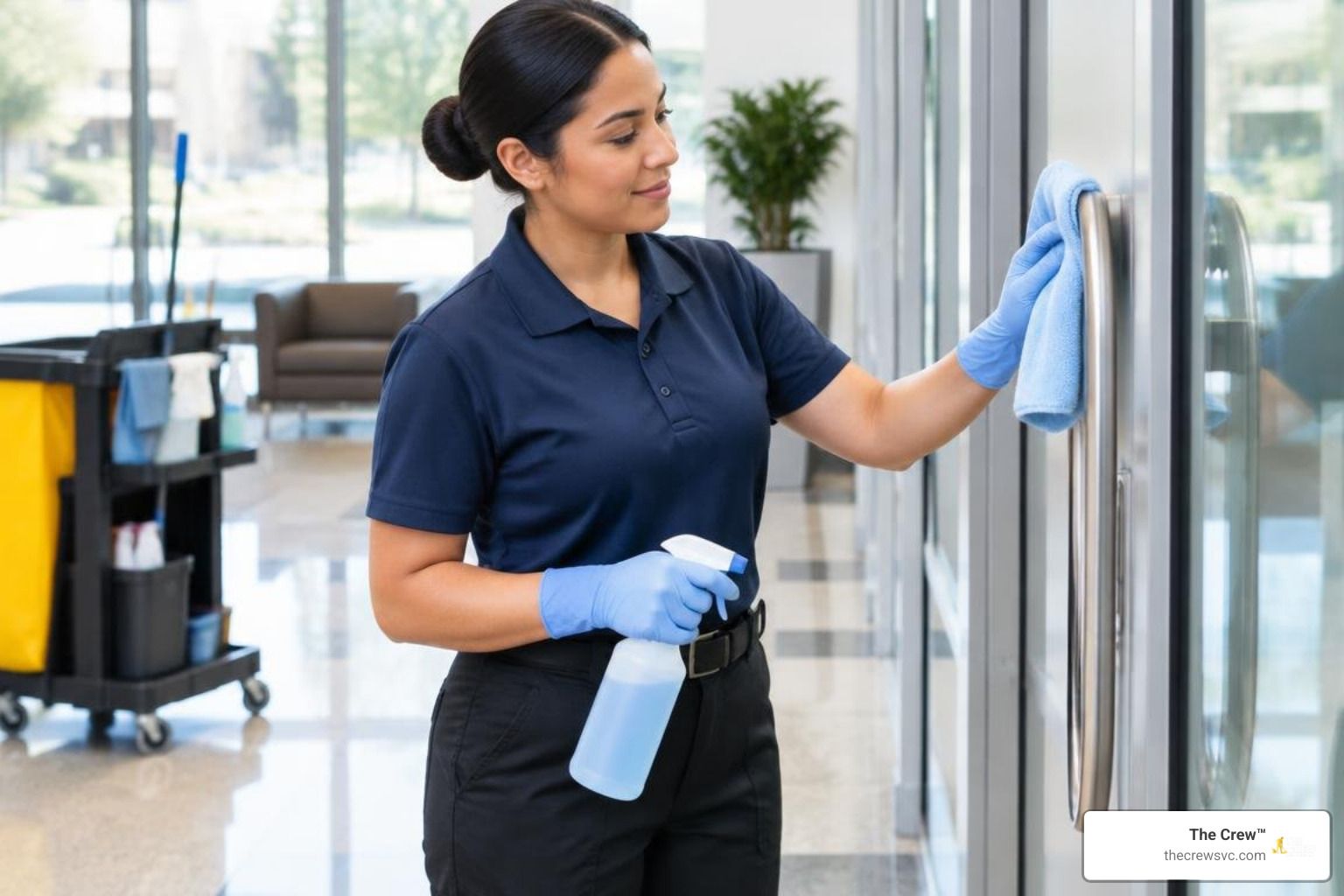
- Entrance and Storefront: Sweep the exterior sidewalk and entryway to prevent dirt from being tracked in. Clean fingerprints off glass doors every morning and perform spot checks midday.
- Point of Sale (POS) Systems: These are the ultimate high-touch zones. Wipe down payment terminals, touchscreens, and checkout counters multiple times per day.
- High-Touch Surfaces: Door handles, handrails, and elevator buttons should be sanitized every few hours.
- Shopping Carts and Baskets: Wipe down handles with disinfectant wipes daily to prevent the spread of germs among your shoppers.
- Fitting Rooms: These often become "dust bunny" magnets. Sweep the floors, wipe down benches, and clean mirrors daily to keep the space feeling fresh for customers trying on merchandise.
- Restroom Hygiene: Check restrooms every hour. Restock soap, paper towels, and toilet paper before they run low. Sanitize sinks, toilets, and door handles to ensure a hygienic environment. For stores needing consistent upkeep throughout the day, our The Complete Guide to Denver Porter Services explains how a dedicated porter can manage these tasks seamlessly.
Addressing Overlooked Areas in a Retail Store Cleaning Checklist
It’s easy to clean what’s right in front of you, but the details often hide in the corners. A truly effective retail store cleaning checklist includes:
- Behind the Registers: This area often collects trash, old receipts, and dust. Keep it organized to maintain a professional appearance during the checkout process.
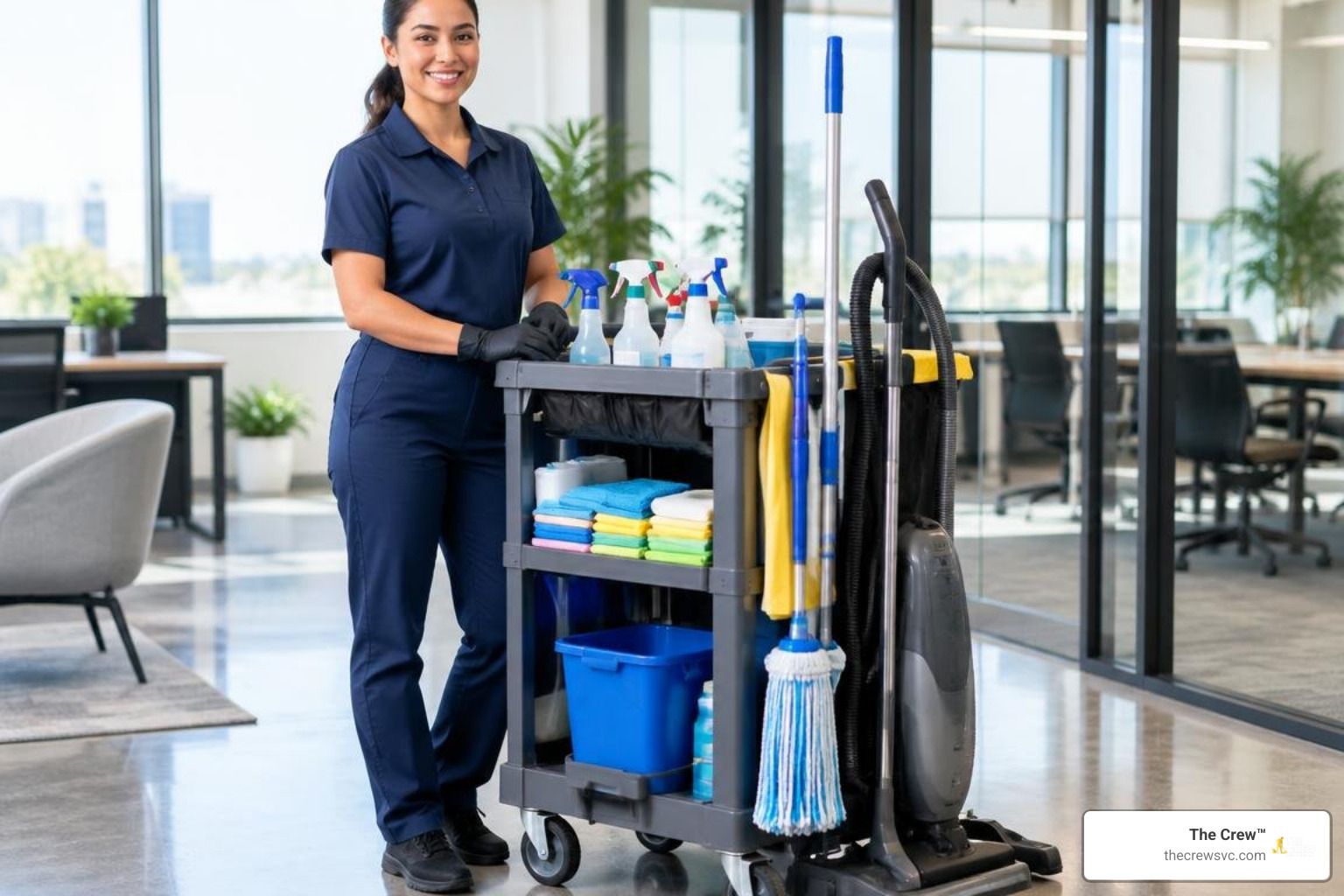
- Under Clothing Racks and Displays: Dust tends to settle under heavy fixtures where vacuums don't always reach. Use a microfiber mop to get into these tight spaces.
- Baseboards and Shelf Edges: These surfaces collect a surprising amount of grime. A quick wipe-down prevents visible buildup that makes a store look "tired."
- Signage Tops and Light Switches: Look up! The tops of hanging signs and the frames of displays are often neglected.
- Employee Breakrooms: A clean staff is a happy staff. Wipe down the microwave (inside and out), clean the refrigerator handles, and sanitize tables daily to prevent odors and pests.
Weekly and Monthly Maintenance for Long-Term Hygiene
While daily tasks keep the store presentable, weekly and monthly tasks are what protect your investment in the facility. In May 2026, retailers in Broomfield and Highlands Ranch are finding that "deep cleaning" isn't just a luxury—it’s a necessity to prevent long-term wear and tear.
Our The Essential Denver Business Deep Clean Checklist provides a great foundation for these more intensive tasks.
Weekly Tasks:
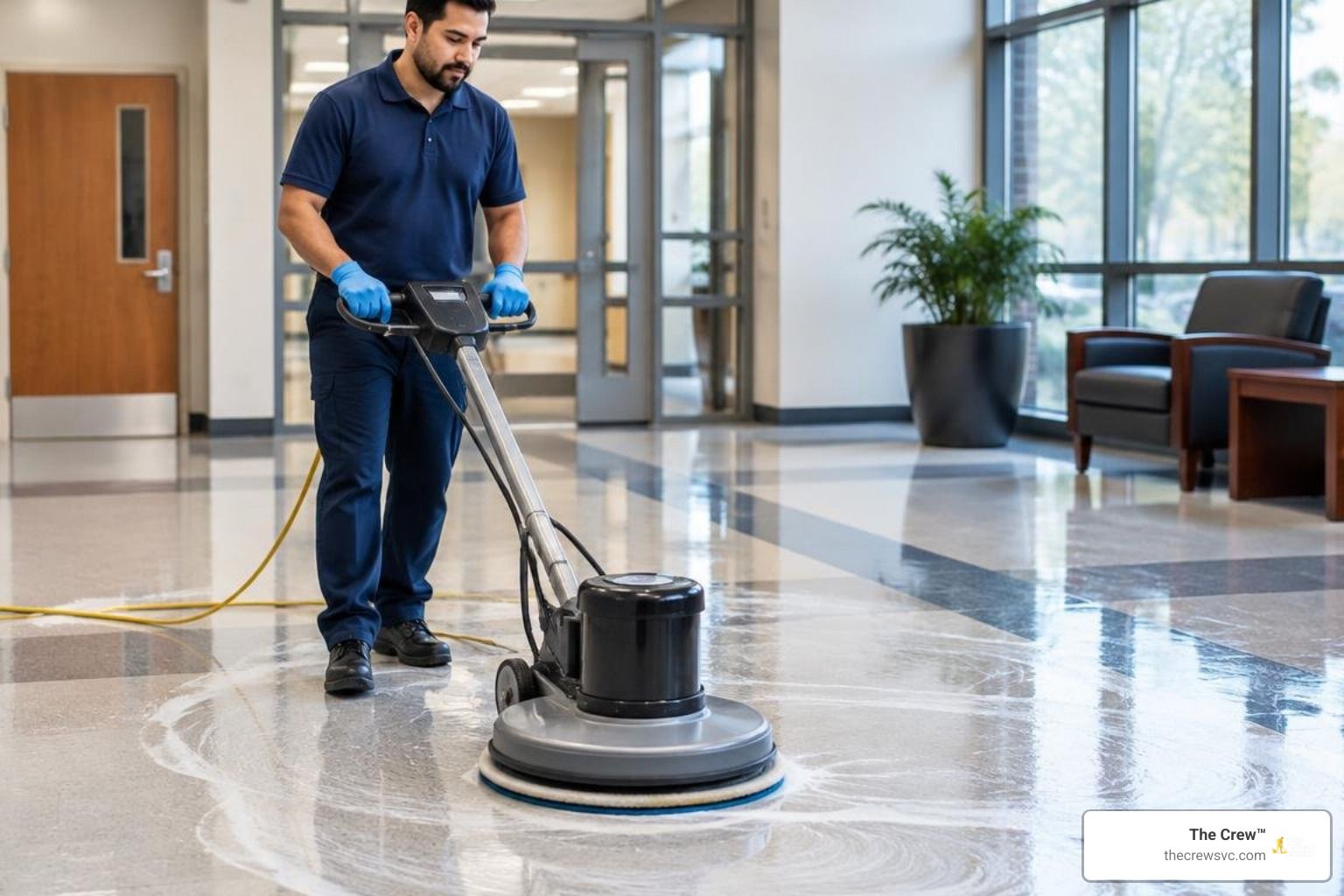
- Deep Floor Care: Beyond daily mopping, floors need a deeper scrub. For carpets, this means thorough vacuuming of edges. For hard floors, it may involve machine scrubbing to remove scuff marks.
- Window Washing: Clean interior and exterior windows with a squeegee to ensure a streak-free shine that lets in natural light.
- Stockroom Organization: A cluttered stockroom is a safety hazard and a breeding ground for pests. Sweep the floors and organize inventory to make restocking easier for your team.
- Disinfecting Fixtures: Take items off shelves, wipe the shelving unit thoroughly, and replace the merchandise neatly.
Monthly Tasks:
- HVAC Vents and Grills: Dust buildup in vents can affect air quality and cause allergies. Vacuum or wipe them down to keep the air fresh.
- Floor Buffing and Carpet Extraction: High-traffic zones in Denver stores benefit from monthly carpet extraction to remove embedded dirt. Hard floors should be buffed or polished to maintain their luster.
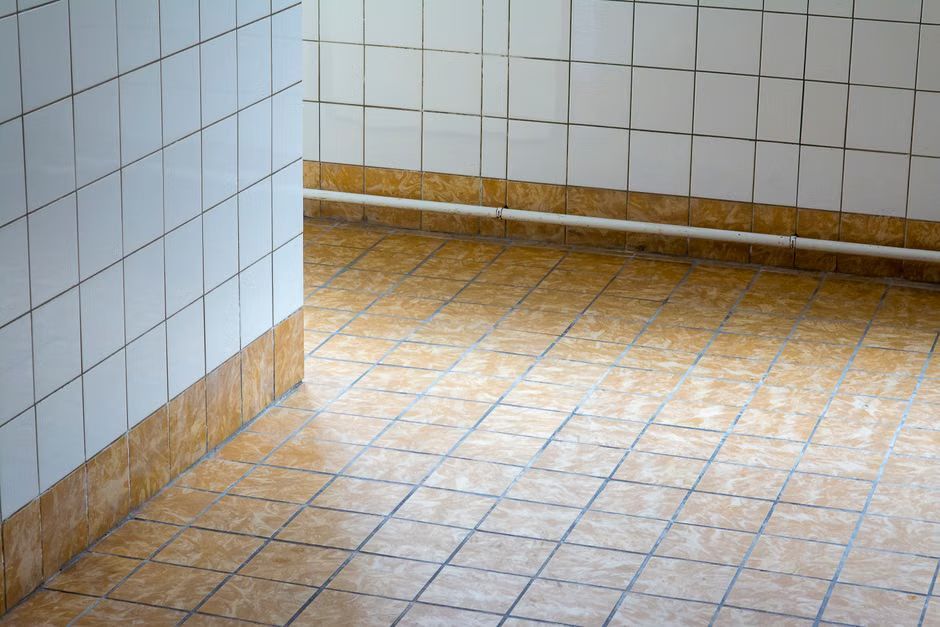
- Grout Scrubbing: In restrooms and tiled areas, grout can trap bacteria and odors. Use a specialized brush and cleaner to keep these lines white and clean.
- High Dusting: Use extendable dusters for light fixtures, ceiling corners (to remove cobwebs), and the tops of high shelving. You can find more details on these specialized tasks in The Complete Checklist of Commercial Cleaning Services.
Following a Retail Store Cleaning Checklist - Safety Culture helps ensure these larger tasks don't fall through the cracks.
Adjusting Your Retail Store Cleaning Checklist for Peak Seasons
Peak shopping seasons—like the winter holidays, back-to-school rushes, or even local events in Golden or Littleton—require a different strategy. During these times, foot traffic can triple, and your standard retail store cleaning checklist needs to be "supercharged."
According to the Retail Store Cleaning Checklist for Peak Shopping Seasons, frequency is the name of the game.
- Increase Cleaning Intervals: During a rush, restrooms should be checked every 30 minutes rather than every hour. High-touch surfaces may need disinfection every hour.
- Weather-Related Debris: In the Denver Metro area, May can still bring mud or late-season slush. Use heavy-duty entrance mats to trap moisture and dirt before it hits your sales floor. Increase mopping frequency near entrances to prevent slip-and-fall accidents.
- Inventory Resets: Large shipments often arrive during peak seasons. Ensure your checklist includes immediate removal of cardboard and plastic wrap to keep aisles clear (at least 3 feet wide) for customer movement.
- Temporary Staff Training: If you hire seasonal help, don't skip the cleaning orientation. Every team member should know how to use the retail store cleaning checklist and where the supplies are kept.
- Post-Season Deep Clean: Once the rush is over, your store will likely show signs of wear. Schedule a professional deep clean to reset the space, steam clean the carpets, and power wash the exterior sidewalks to remove salt and grime.
Professional vs. In-House Retail Cleaning: Which is Best?
Many retailers in Commerce City or Brighton wonder if they should rely on their sales associates or hire a professional service. While staff can handle basic upkeep, there are distinct advantages to bringing in the experts.

Staff Accountability vs. Professional Expertise: Your sales team is hired to sell. When they are tasked with deep cleaning, it often takes them away from customers or becomes a task they dread, leading to "surface cleaning" only. Professional cleaners, like our team at The Crew, are background-checked and trained specifically in sanitation protocols. We offer 0% turnover, meaning the same reliable faces will be handling your store, ensuring consistency.
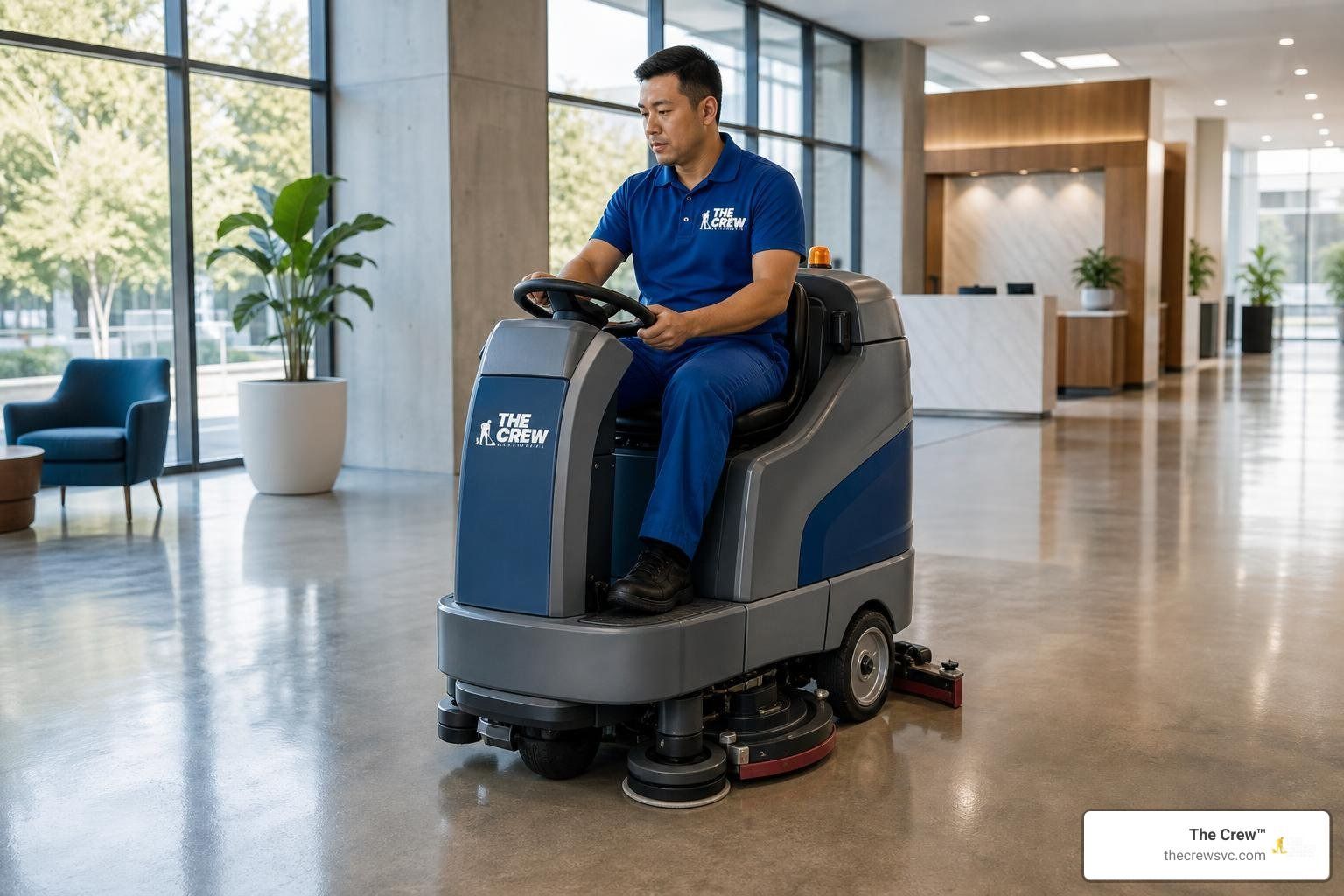
Specialized Tools and Chemicals: A mop and bucket can only do so much. Professionals use industrial-grade equipment like HEPA-filter vacuums, floor scrubbers, and steam extractors that provide a level of clean that manual labor can't match. We use EPA-registered disinfectants that are effective against a broad range of pathogens, ensuring your store meets OSHA and CDC-aligned standards. For more complex environments, see The Essential Checklist for Industrial Cleaning Denver Metro Facilities Need.
Cost-Benefit Analysis: While hiring a service is an investment, it often pays for itself by reducing wear and tear on your fixtures and flooring. It also reduces the risk of expensive slip-and-fall lawsuits. Plus, your staff can focus entirely on what they do best: driving sales.
Ensuring Consistency with a Retail Store Cleaning Checklist
Whether you use in-house staff or a professional crew, a checklist only works if it's followed. Here is how we recommend maintaining standards:
- Task Initialing: Instead of just checkmarks, have employees or cleaners initial each task. This creates a culture of accountability.
- Quality Audits: Managers should walk the store daily with the checklist in hand to verify that the work meets the "store-ready" standard.
- Supply Inventory: Check your cleaning supplies monthly. Ensure you have enough microfiber cloths, disinfectants, and restroom supplies to avoid running out during a busy shift.
- Performance Reviews: Use the checklist as a tool for coaching. Praise excellence publicly and address missed tasks privately to ensure the team understands the importance of the store’s appearance.
Frequently Asked Questions about Retail Store Cleaning
How often should high-touch surfaces be disinfected?
In a standard retail environment, high-touch surfaces like door handles and credit card terminals should be disinfected at least twice daily. During peak shopping seasons or high-traffic periods in busy areas like Denver or Aurora, this frequency should increase to every 2-3 hours.
What are the most common safety risks of poor store maintenance?
The most common risks are slips, trips, and falls. These are often caused by wet floors (from spills or tracked-in rain/snow), cluttered aisles, or bunched-up floor mats. Regular inspections as part of your retail store cleaning checklist can mitigate these risks. Additionally, blocked emergency exits are a major fire safety violation that can lead to heavy fines.
How does store cleanliness affect online reviews and brand perception?
In the age of social media, a dirty restroom or dusty shelf can end up on a review site in seconds. Shoppers often equate the cleanliness of a store with the quality of the products. A pristine environment builds trust and encourages repeat business, while a neglected store can drive customers to vent their frustrations online, damaging your brand's reputation permanently.
Conclusion
Building a successful retail business in the Denver Metro Area—from Englewood to Longmont—requires more than just great products. It requires an environment that makes customers feel valued and safe. A retail store cleaning checklist is the most effective tool you have to ensure that every visitor has a positive experience from the moment they step through your doors.
At The Crew™, we’ve spent over 40 years perfecting the art of commercial cleaning. We understand the unique challenges of the retail industry, and we pride ourselves on our 0% turnover and our team of background-checked professionals. Whether you are in Arvada, Highlands Ranch, or anywhere in between, we are here to provide the consistent, reliable service your business deserves.
Ready to take your store’s cleanliness to the next level? More info about retail cleaning services is just a click away. Let us help you make your store the cleanest on the block.