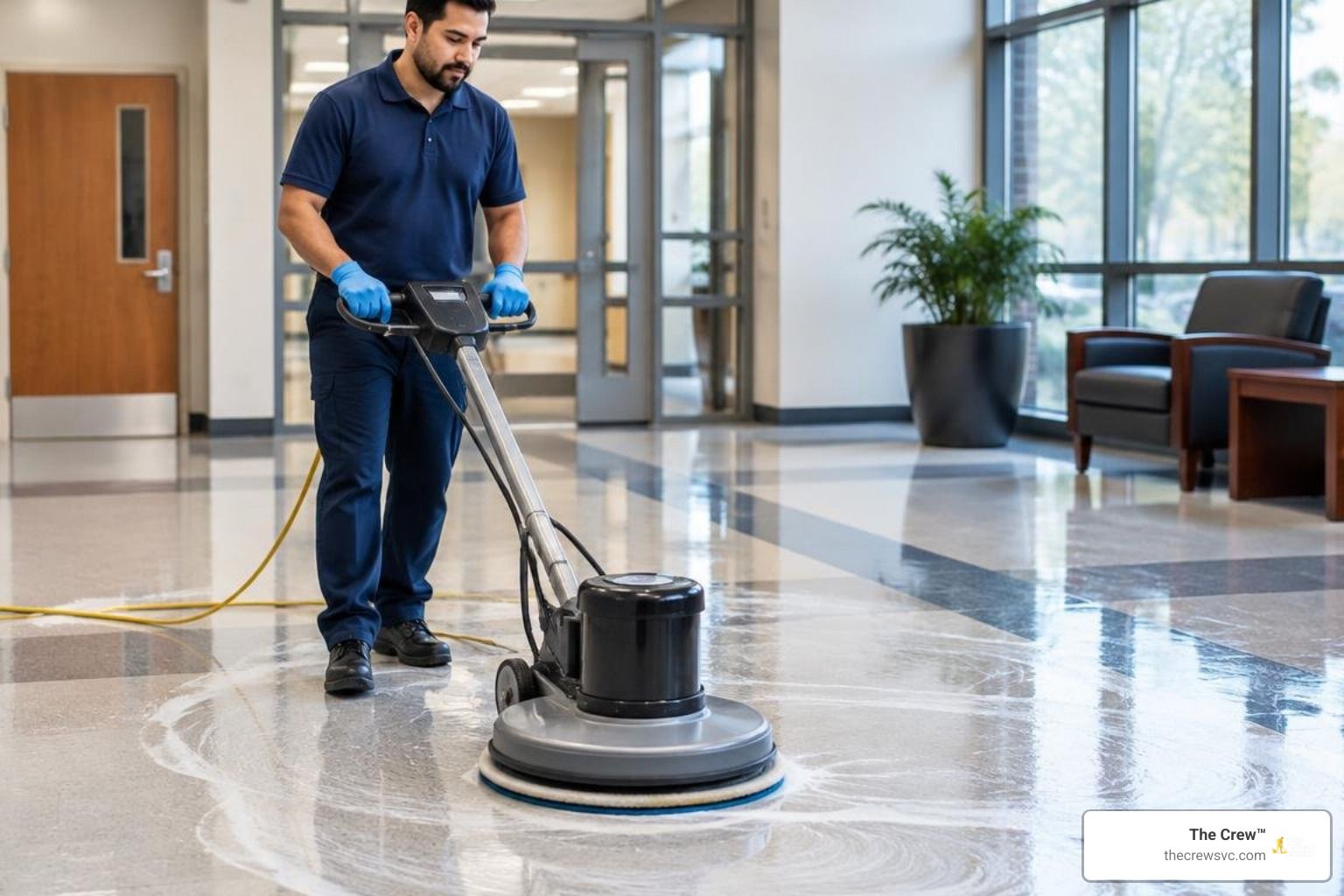
Why the Cleaning Industry's Turnover Crisis Should Matter to Every Denver Business Owner
Achieving zero staff turnover in cleaning is one of the most powerful things a commercial cleaning company can do — for its workers, its clients, and its bottom line. Here is what that actually looks like in practice:
How to achieve zero staff turnover in cleaning:
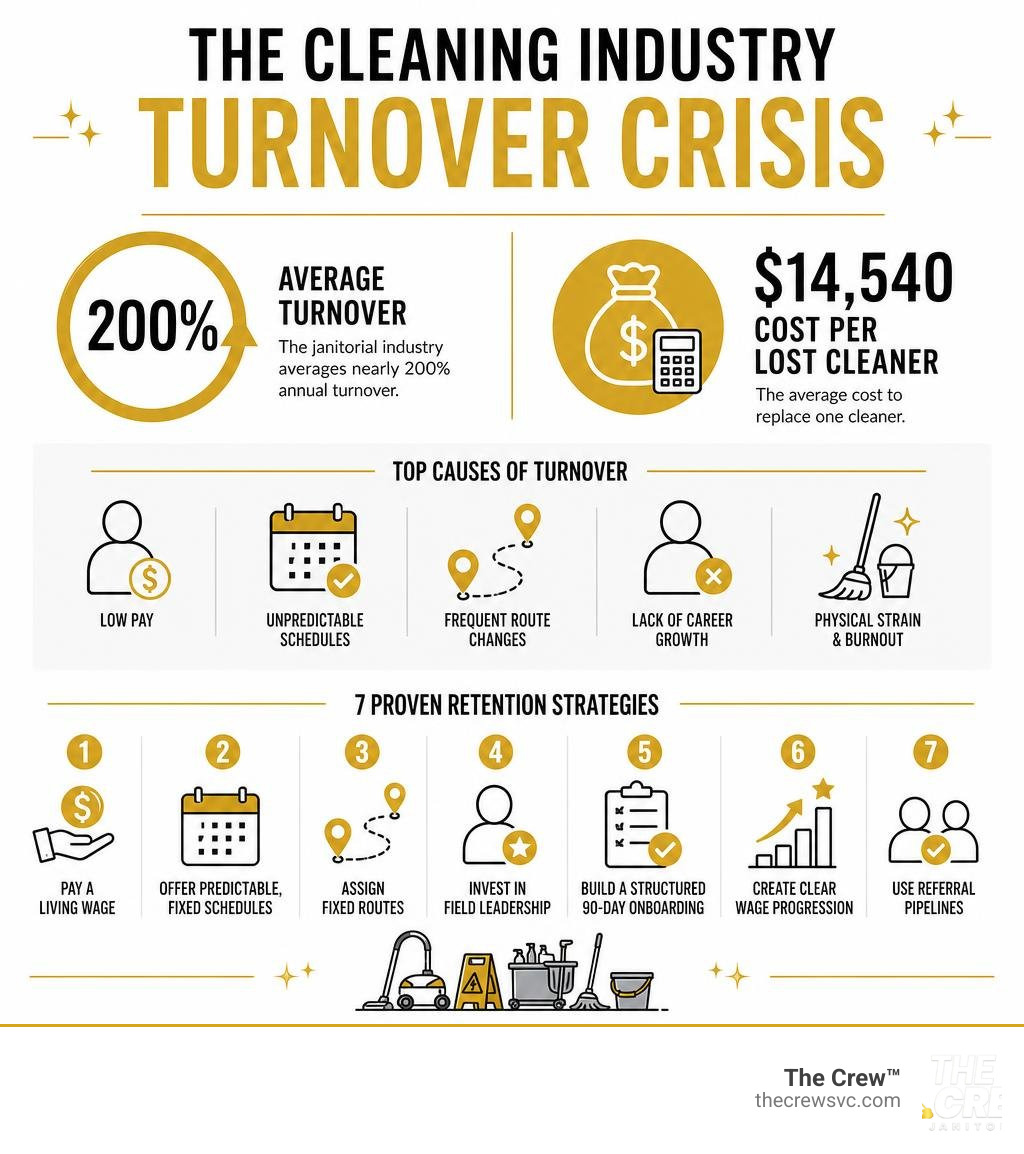
- Pay a living wage — not just minimum wage
- Offer predictable, fixed schedules posted at least 7-10 days in advance
- Assign fixed routes so cleaners build ownership and familiarity
- Invest in field leadership — supervisors drive 70% of team engagement
- Build a structured 90-day onboarding program with mandatory check-ins
- Create clear wage progression milestones so the job never feels like a dead end
- Use referral pipelines to hire for retention, not just speed
- Provide ergonomic tools to reduce physical burnout
The numbers are hard to ignore. The janitorial industry averages nearly 200% annual turnover — meaning the average cleaning company replaces its entire workforce twice a year. Some specialty cleaning segments report rates as high as 400%. The average cleaner tenure? Less than 12 months.
For Denver-area business owners, this isn't just an HR statistic. It means a new face in your building every few weeks , inconsistent service, and real security concerns. One business owner put it plainly: she called to cancel her cleaning contract because she was tired of seeing a new person every single visit.
That is what high turnover looks like from the client side. And it is entirely fixable.
I'm Carlos Castillo II, owner of The Crew Janitorial — a family-run Denver Metro commercial cleaning company my grandfather founded in 1982 — and zero staff turnover in cleaning has been a core operational priority since I took the helm, backed by a Finance degree from CU Boulder and years of hands-on field leadership. In the sections below, I'll walk you through exactly how we approach retention, and what any cleaning operation can do to stop the revolving door for good.
The True Cost of Cleaner Churn
Many commercial facility managers view cleaning staff turnover as an abstract HR headache that only impacts the cleaning company. But in reality, cleaner churn is a quiet drain on your operational budget, your building’s security, and your daily peace of mind.
When a cleaning contractor operates with a revolving door of workers, those hidden costs are inevitably passed down to you.

According to the EmployJoy Cost of Turnover Study, cleaner turnover is a staggering $15.2 billion national problem. When you break that macro number down to a single-cleaner level, the math is shocking. Losing just one experienced cleaner costs an average of $14,540 in total organizational impact. This includes:
- Direct Recruiting and Training Costs ($2,300): The price of posting job ads, screening applications, conducting background checks, and paying for initial training hours.
- Lost Productivity During Ramp-Up ($6,240): A new cleaner takes weeks to reach the speed and thoroughness of a veteran. During this learning curve, tasks are missed, and work takes longer.
- Revenue and Contract Risk ($6,000): The vacant position often leads to service delays, dropped quality, and client frustration that puts commercial contracts at risk.
Even conservative industry estimates place the bare minimum cost of a single turnover event between $2,000 and $5,550. When labor represents 50% to 80% of a cleaning contractor's operating cost (as detailed in the Level CFO Cleaning Benchmarks), keeping turnover low is the single most important driver of financial stability and service consistency.
For businesses in the Denver Metro Area—whether you need commercial cleaning services in Aurora or medical facility sanitization in Lakewood—the physical security risks of cleaner churn are just as concerning as the financial ones. Every time a new, unvetted face enters your facility after hours, your risk profile increases.
At The Crew™, we know that consistency breeds security. That is why we focus heavily on building a stable staff cleaning company to protect your assets and maintain your trust.
Designing Jobs for Longevity: How to Achieve Zero Staff Turnover Cleaning
If you want to achieve zero staff turnover cleaning, you have to change how the job itself is designed. The traditional cleaning model treats cleaners as interchangeable parts. It assumes they will eventually quit, so it designs the role to be temporary, low-paying, and highly stressful.
To break this cycle, we must redesign the cleaning job from the ground up to offer stability, respect, and a clear path forward.
According to the EmployJoy Guide on Job Design, the top retention drivers for hourly workers are not what most managers think. While competitive pay is a necessary foundation, it is actually outranked by three structural factors:
- Schedule Predictability: Cleaners need to know when they are working so they can plan childcare, transportation, and their personal lives.
- Quality of Immediate Management: Employees do not leave companies; they leave bad managers.
- Clarity of Expectations: Knowing exactly what success looks like on a daily basis.
By focusing on these three pillars, we can transform cleaning from a "temporary gig" into a respected, long-term career. If you are looking for a stable janitorial crew Denver businesses can rely on, the secret lies in treating cleaners as valuable professionals.
Why Traditional Hiring Fails to Deliver Zero Staff Turnover Cleaning
Most commercial cleaning companies hire in a state of constant panic. A cleaner quits, a shift is left open, and the manager rushes to hire the first warm body who applies. This "desperate hiring" model is a primary driver of the industry's 200% turnover rate.
When you hire for speed instead of fit, you bring in workers who are mismatched for the role, leading to early-tenure quits within the first 30 to 60 days.
Another massive failure point is the habit of "giving raises on vibes." As outlined in the ZenMaid Guide on Building Dream Teams, subjective raises create a toxic work environment. When employees feel that compensation is based on favoritism rather than objective standards, trust evaporates.
Furthermore, hiring new, inexperienced cleaners at a starting wage higher than what your seasoned, loyal cleaners are currently earning is a surefire way to destroy team morale and trigger a mass exodus.
To achieve true stability, a cleaning business must build a business cleaning vetted staff using structured hiring processes that prioritize long-term retention over immediate speed.
The Operational Blueprint for Zero Staff Turnover Cleaning
To build a reliable workforce, we use a structured operational blueprint that replaces unpredictability with stability. Here is how we design our cleaning roles to maximize retention:
- Fixed Routes and Accounts: Instead of rotating cleaners to different buildings every week, we assign fixed routes. This allows our team members to build deep familiarity with your space. They learn where the tricky alarm keypads are, which doors need double-checking, and how you prefer your office arranged. This ownership breeds pride and consistent quality.
- Travel Time Compensation: In strict compliance with the Department of Labor (DOL) WHD Fact Sheet #22, we pay our team members for travel time between job sites during the workday. Expecting cleaners to travel on their own dime is not only unethical; it is a major driver of industry-wide resentment and churn.
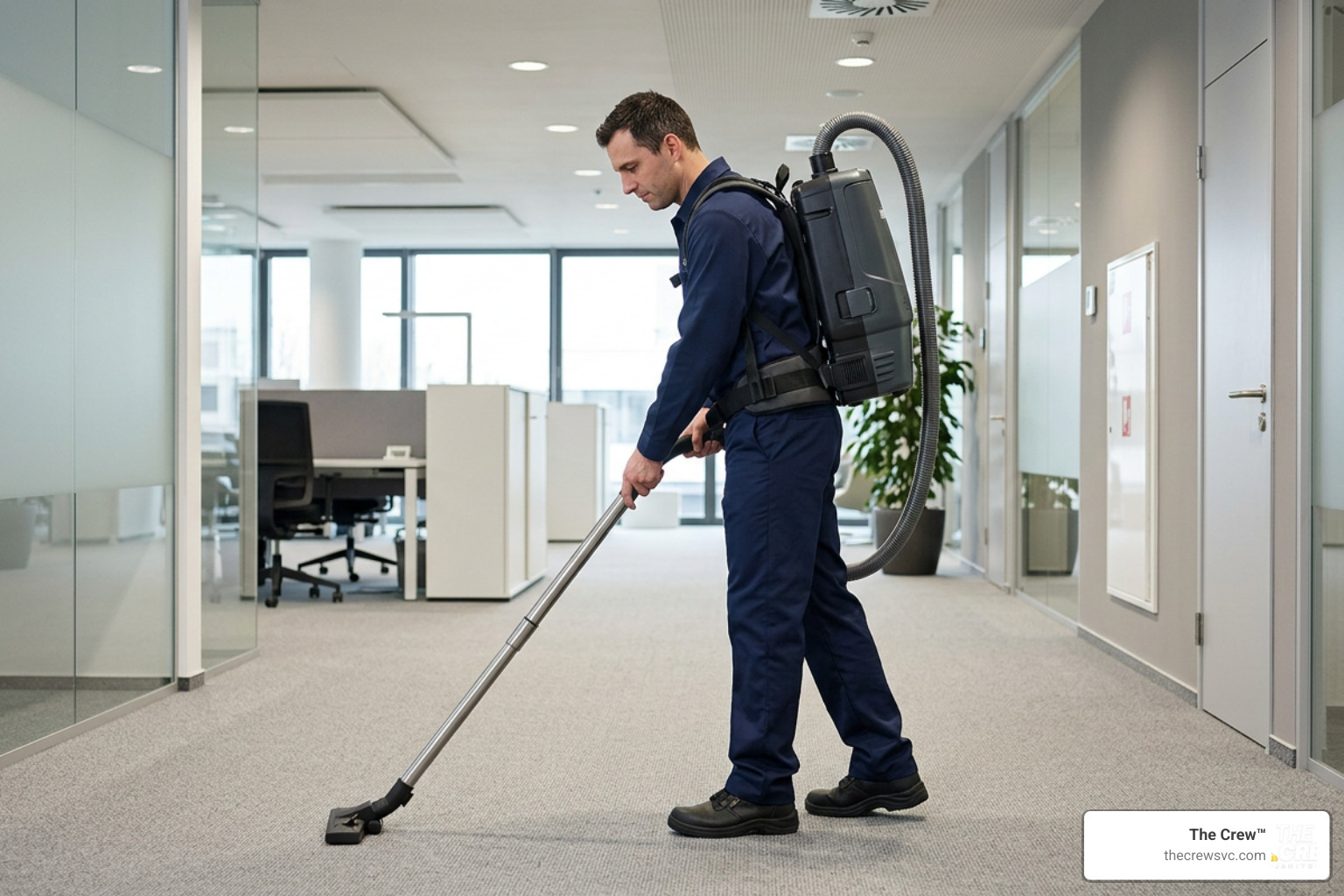
- Ergonomic Tools: Cleaning is highly physical work. Repetitive motions can lead to musculoskeletal strain in the hands, shoulders, and back. We invest in lightweight, ergonomic vacuums and specialized tools to reduce physical fatigue, preventing the physical burnout that drives so many talented cleaners out of the industry.
- Shift Differentials: Night and evening work is inherently more difficult than day shifts. We pay a fair wage differential for night work to ensure our late-night crews feel valued and compensated for their sacrifices.

This systematic approach is why vetted and reliable day porters are worth the investment for high-traffic facilities in Westminster, Commerce City, and Broomfield. They are not just cleaners; they are stable, integrated members of your facility's daily operations.
| Traditional Cleaning Job Design | Zero-Turnover Cleaning Job Design |
|---|---|
| Unpredictable, rotating schedules posted last-minute | Fixed schedules posted at least 10-14 days in advance |
| Rotating sites with no sense of ownership | Fixed routes to build familiarity and pride |
| Flat pay rates with no night-shift differentials | Higher starting wages with clear shift differentials |
| Subjective raises given on managerial "vibes" | Documented, objective wage progression milestones |
| Minimal training and cheap, heavy equipment | Comprehensive safety training and ergonomic tools |
The 90-Day Retention Blueprint and Field Leadership
The first 90 days are the most critical window for any new hire. If a cleaner survives their first three months with clear expectations and supportive leadership, their likelihood of staying long-term skyrockets.
At The Crew™, we use a structured onboarding framework to guide new team members through this crucial period:
- Day 1 Orientation: A warm welcome that focuses on our company culture, safety protocols, and a realistic preview of their daily tasks.
- Week 1 Buddy Ride-Along: New hires are paired with an experienced trainer to learn the ropes without feeling isolated or overwhelmed.
- Structured Check-Ins: Mandatory touchpoints at Day 30, 60, and 90 to gather feedback, answer questions, and address any early hurdles.
- Stay Interviews: Instead of waiting for an exit interview to find out why someone is leaving, we conduct proactive "stay interviews" with our team members to learn what they love about their jobs and what we can improve.
But even the best onboarding program will fail without strong field leadership. According to Gallup, managers account for at least 70% of the variance in team engagement. In the cleaning industry, supervisors are the real retention engine.
We maintain a high supervisor-to-cleaner density (aiming for a 1:10 ratio) to ensure our cleaners always have on-site support, continuous coaching, and a direct advocate when client-side friction arises.
By treating our team with respect and providing clear growth pathways, we have built a powerful word-of-mouth referral pipeline. In fact, over half of our high-retention hires come directly from employee referrals. This organic pipeline ensures we only bring in trusted, dedicated professionals to care for your space.
It is all part of our commitment to helping you find top vetted cleaners who will show up consistently, day after day.
Frequently Asked Questions about Cleaning Staff Retention
Why is turnover so high in the janitorial industry?
The national average for janitorial turnover hovers around 200% because traditional commercial cleaning models treat workers as temporary, low-wage labor. A lack of structured training, unpredictable schedules, physical burnout from poor equipment, and invisible, unappreciated work make it incredibly easy for cleaners to jump to other hourly jobs in retail or warehousing.
By reversing these systemic issues—offering fixed schedules, ergonomic tools, and real respect—we can successfully achieve zero staff turnover cleaning.
How much does it cost to lose a single cleaner?
While direct recruiting and training costs sit around $2,300, the true cost of losing a single cleaner is approximately $14,540 when you factor in lost productivity during the new hire's ramp-up period, management strain, and the risk of client dissatisfaction.
For local businesses, this turnover directly impacts service quality and building security, making high-retention cleaning partners a much more cost-effective choice in the long run.
What non-financial incentives keep cleaners long-term?
While fair wages are non-negotiable, non-financial incentives are incredibly powerful retention drivers. Cleaners stay long-term when they have:
- Predictable schedules that allow them to balance family life.
- Ergonomic equipment that protects their physical health and reduces daily fatigue.
- A supportive work culture where field supervisors provide constructive feedback instead of harsh criticism.
- Genuine respect and recognition from both their employer and the clients whose buildings they keep safe and clean.
Conclusion: Partner with a Team Built to Stay
At the end of the day, a commercial cleaning service is only as good as the people who show up to do the work. When you partner with a cleaning company that has a revolving door of staff, you are paying for constant retraining, inconsistent quality, and unnecessary security risks.
At The Crew™, we have proven that the cleaning industry’s turnover crisis is not an unavoidable reality—it is a design flaw that can be fixed with the right systems, competitive compensation, and a culture of genuine respect.
We serve businesses across the entire Denver Metro Area—including Aurora, Commerce City, Lakewood, Brighton, Longmont, Westminster, Henderson, Broomfield, Centennial, Parker, Golden, Englewood, Wheat Ridge, Littleton, Arvada, Erie, and Highlands Ranch. Our unique approach allows us to recruit, thoroughly background-check, and retain top-tier cleaning professionals, delivering consistent, worry-free service to your facility every single day.
Ready to experience the difference that a stable, dedicated cleaning team can make for your business? Explore our commercial cleaning services today, and let us build a customized cleaning plan that keeps your facility spotless and secure.